Understanding Sulforaphane
Sulforaphane is a naturally occurring plant compound belonging to the isothiocyanate group. It is found in high concentrations in cruciferous vegetables like Brussels sprouts, cabbage, cauliflower, and most notably, broccoli sprouts. In the plant, it exists as an inactive precursor called glucoraphanin. When the plant tissue is crushed or chewed, an enzyme called myrosinase is released, which converts glucoraphanin into active sulforaphane.
At a cellular level, sulforaphane is renowned as one of the most potent naturally occurring activators of the Nrf2 (Nuclear factor erythroid 2-related factor 2) pathway. Nrf2 acts as a "master switch" for the body's antioxidant and cellular defense systems. When activated by sulforaphane, Nrf2 upregulates the expression of over 200 cytoprotective genes, enhancing the body's ability to combat oxidative stress, clear toxins, and manage inflammation.
Key Benefits
1. Neuroprotection and Nootropic Effects
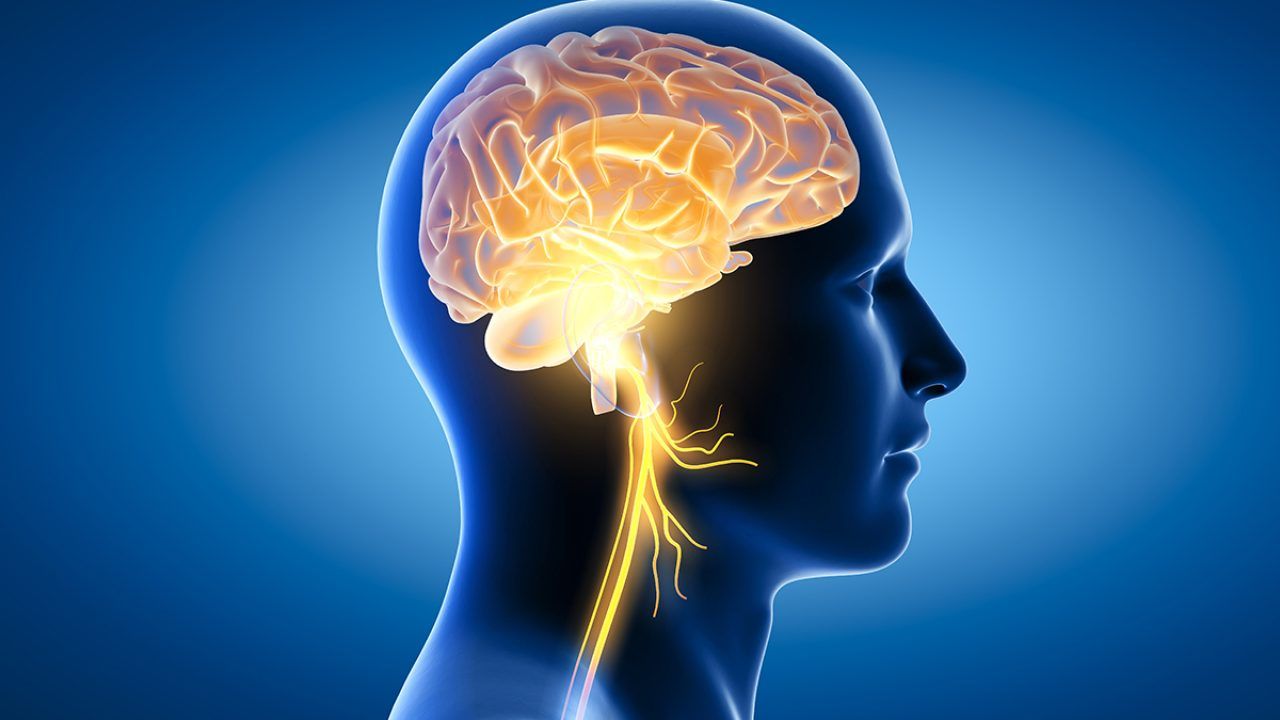
Sulforaphane easily crosses the blood-brain barrier, allowing it to exert direct effects on brain tissue. By activating Nrf2 in the brain, it reduces neuroinflammation and oxidative stress—two major contributors to cognitive decline, brain fog, and neurodegenerative diseases. Many users supplement with sulforaphane to maintain cognitive clarity, protect against cellular damage, and support overall brain aging.
2. Enhanced Phase II Detoxification
One of the most well-documented effects of sulforaphane is its ability to induce Phase II detoxification enzymes in the liver. Unlike Phase I enzymes (which can sometimes make toxins more reactive), Phase II enzymes bind to harmful substances—including heavy metals, environmental pollutants, and carcinogens—making them water-soluble so they can be safely excreted through urine or bile.
3. Systemic Anti-Inflammatory Action
In addition to boosting antioxidants, sulforaphane actively suppresses the NF-κB (Nuclear factor kappa-light-chain-enhancer of activated B cells) pathway. NF-κB is a primary driver of chronic inflammation in the body. By inhibiting this pathway, sulforaphane helps lower systemic inflammation, which is beneficial for cardiovascular health, joint function, and cognitive stability.
Research Findings
Clinical research on sulforaphane has yielded compelling evidence for its therapeutic potential:
- Autism Spectrum Disorder (ASD): A landmark 18-week randomized, double-blind, placebo-controlled trial involved 44 young men (aged 13–27) with ASD. Participants receiving sulforaphane (dosed at 9–27 mg daily based on weight) demonstrated significant improvements in behavioral assessments, showing enhanced social interaction and verbal communication compared to the placebo group. Notably, these improvements diminished once supplementation stopped.
- Environmental Detoxification: A 12-week randomized clinical trial in Qidong, China (an area with high air pollution) involved 291 participants. Those consuming a broccoli sprout beverage rich in sulforaphane showed a rapid and sustained increase in the excretion of airborne pollutants. Specifically, the excretion of benzene increased by 61%, and acrolein excretion increased by 23%.
- Depression and Cognitive Function: A small, open-label study involving patients with schizophrenia explored the use of a sulforaphane-rich broccoli sprout extract over 8 weeks. Researchers observed improvements in clinical symptoms and cognitive function, alongside favorable changes in brain glutathione levels, suggesting that modulating oxidative stress in the brain can influence psychiatric and cognitive outcomes.
Best Sources & Dosage
Dietary vs. Supplemental Sources
While mature broccoli contains glucoraphanin, three-day-old broccoli sprouts contain up to 100 times more of this precursor. However, the myrosinase enzyme required for conversion is destroyed by heat (cooking). Therefore, to get sulforaphane from food, sprouts must be eaten raw and chewed thoroughly.
When choosing a supplement, standard broccoli extract is often insufficient because it lacks the active enzyme. Look for supplements that contain either stabilized free-form sulforaphane or glucoraphanin combined with active myrosinase to ensure high bioavailability.
Dosage Recommendations
- General Health & Antioxidant Support: 10–20 mg of active sulforaphane (or equivalent yield from a glucoraphanin/myrosinase blend) taken once daily.
- Therapeutic/Cognitive Support: Clinical trials often utilize higher doses ranging from 20–40 mg of active sulforaphane daily, occasionally up to 60 mg depending on body weight and specific health goals.
- Timing: Sulforaphane is generally well-absorbed, but taking it with a meal can help minimize potential gastrointestinal discomfort.
Safety, Side Effects, and Drug Interactions
Sulforaphane is considered highly safe for most adults, especially when consumed through dietary sources.
- Side Effects: The most common side effects from high-dose supplements are mild gastrointestinal issues, including gas, bloating, stomach upset, or diarrhea.
- Thyroid Function: Cruciferous vegetables contain goitrogens, which can interfere with iodine uptake and thyroid hormone production in large quantities. While sulforaphane itself is not the primary culprit, individuals with hypothyroidism should consult a physician before taking concentrated broccoli sprout extracts daily.
- Drug Interactions: Because sulforaphane strongly induces liver detoxification enzymes (specifically cytochrome P450 enzymes), it may alter how quickly the liver processes certain medications. If you are taking prescription drugs metabolized by the liver, consult your healthcare provider to avoid altered medication efficacy.
- Contraindications: Pregnant and breastfeeding women should avoid high-dose sulforaphane supplements due to a lack of targeted safety studies, though dietary consumption of broccoli sprouts is generally fine.