Clearer Thinking, Calmer Days: Understanding Pregnenolone
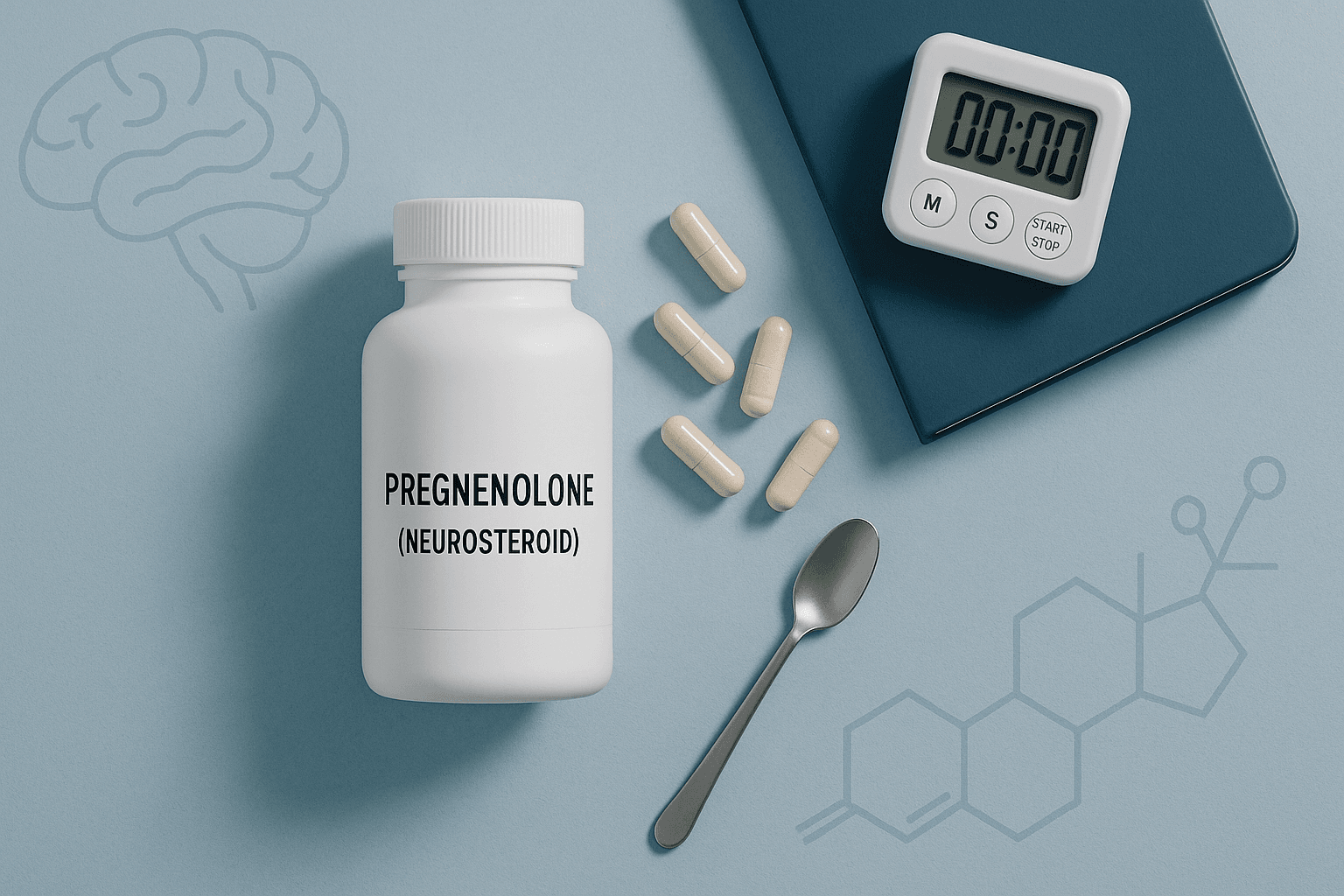
Pregnenolone is a naturally occurring neurosteroid made from cholesterol in the brain, adrenal glands, and gonads. It sits near the top of the steroid “family tree,” meaning your body can convert it downstream into other hormones (e.g., progesterone, DHEA, and cortisol) based on tissue needs. In the nervous system, pregnenolone and some of its metabolites (notably pregnenolone sulfate and allopregnanolone) act like modulators for key receptors—including GABA-A (calming), NMDA (learning/plasticity), and others tied to attention, memory, and mood tone.
Diet doesn’t contribute meaningful pregnenolone, and stress, sleep loss, aging, and certain medications can shift steroid neurochemistry. Standardized capsules allow predictable, low-dose experiments aimed at mental clarity, stress resilience, and sleep-quality ripple effects, while you keep sleep, nutrition, and movement in place.
How pregnenolone may help—kept practical:
Synaptic tuning: metabolites such as pregnenolone sulfate influence NMDA receptor activity and long-term potentiation (a foundation for learning and memory)—experienced as “mental crispness,” not stimulation.
Calm-through-GABA: conversion toward allopregnanolone can enhance GABA-A tone, which often feels like smoother stress response and fewer “edgy” spikes across the day.
Stress-axis buffering: by supporting neurosteroid balance in brain regions that talk to the HPA axis, pregnenolone may help steady stress reactivity—subtle and best noticed over weeks.
Wellness takeaway: If your goals are cleaner focus, steadier mood under stress, and sleep that feels more restorative, a low-dose, time-boxed pregnenolone trial—paired with sleep regularity, protein-forward meals, daylight, and walks—can be a thoughtful add-on. Keep expectations realistic and dosing conservative.
Key Benefits
Memory & mental clarity. Low-to-moderate dosing has shown small but meaningful improvements on attention and memory tasks in targeted human studies and aligns with pregnenolone’s synaptic effects.
Mood & stress resilience. As a neurosteroid modulator, pregnenolone can help smooth day-to-day reactivity and anxious tension for some users, especially when sleep and routine are stable.
Sleep quality (indirect). By nudging GABAergic tone and calming evening arousal, some people report faster wind-down and more refreshing sleep.
Reality check: Benefits are subtle and cumulative—think smoother focus blocks and steadier mood by week 2–4, not an instant “on switch.” Because pregnenolone can convert into other hormones, use conservative doses and reassess regularly.
Research Findings
Time to benefit: First changes are often noticed by 2–4 weeks, with clearer gains at 8–12 weeks of consistent use.
Cognitive function under stress (adults): In small, randomized, double-blind trials (≈8–12 weeks; n≈40–80) using 15–50 mg/day, pregnenolone improved aspects of working memory and attention versus placebo, with benefits most apparent in participants with higher baseline stress or cognitive load.
Mood symptoms (adjunct use): Pilot randomized, double-blind studies in adults with mood-spectrum conditions (≈8 weeks; n≈30–80) using 50–200 mg/day reported greater reductions in anxiety/negative affect scales versus placebo; sedation did not differ from placebo, but insomnia occurred when dosed too late.
Stress-related symptom clusters: In small, controlled trials of individuals with high-stress phenotypes (≈4–8 weeks; n≈30–60), 25–100 mg/day pregnenolone reduced irritability and improved subjective stress ratings compared with placebo; effects rose gradually over weeks.
*Tolerability across studies was generally favorable at low-to-moderate doses; the most common complaints were headache, insomnia (late dosing), irritability, acne/oily skin, and GI upset. Because pregnenolone is upstream of other steroids, higher doses carry more risk of hormone-like side effects.*
Best Sources & Dosage
What to buy (and what to avoid)
Choose pregnenolone capsules with clear milligram labeling (e.g., 10 mg, 25 mg) and third-party testing (identity, potency, contaminants).
Avoid blends that obscure the pregnenolone dose; you’ll want precise titration.
If you already use DHEA, progesterone, testosterone, or estrogen, coordinate with your clinician—stacking steroid-related products increases complexity.
Evidence-aligned adult ranges
Cognitive clarity & daytime focus: 10–25 mg/day, taken in the morning for 8–12 weeks, then reassess. If sensitive, start at 5 mg/day for one week.
Mood/stress support: 10–30 mg/day, morning; some protocols use up to 50 mg/day short-term if well tolerated.
Adjunct in high-demand periods (short stints): 10–20 mg AM during intense cognitive or stress windows (1–4 weeks), then return to baseline or pause.
Upper ranges (specialist-supervised only): 50–100 mg/day have been used in clinical research settings; reserve for clinician-guided cases due to hormonal side-effect risks.
Timing & tips
Take in the morning to reduce insomnia risk.
Consider 5 days on / 2 days off or 8–12 weeks on / 2–4 weeks off to reassess benefits and side effects.
Track sleep latency, daytime energy, focus blocks completed, and mood (simple 0–10 scales) weekly; adjust dose based on your trend, not a single day.
Safety, interactions & who should avoid it
Common, usually dose-related: headache, insomnia (if dosed late), irritability/agitation, anxiety spikes, acne/oily skin, hair shedding, or breast tenderness. Lower the dose or discontinue if these occur.
Hormone-sensitive conditions: if you have a history of hormone-sensitive cancers (breast, prostate, endometrial), endometriosis, uterine fibroids, or BPH, avoid or use only with specialist oversight.
Psychiatric considerations: pregnenolone can be activating; if you have bipolar spectrum, panic disorder, or seizure history, use only with clinician guidance.
Medications: use caution with hormone therapies, corticosteroids, and drugs highly sensitive to CYP/P-gp changes; review your list with a clinician.
Pregnancy/lactation: avoid—insufficient data and potential hormonal effects.
Testing: if you track hormones, discuss with your clinician which labs matter (e.g., DHEA-S, progesterone, estradiol/testosterone, morning cortisol) and the timing of tests relative to dosing.
Discontinue and seek care if you experience sustained mood instability, severe insomnia, jaundice, new breast or pelvic symptoms, or any unusual neurologic changes.
Label literacy—fast checks
- “Pregnenolone” clearly listed with mg per serving (10–25 mg capsules make gentle titration easy).
- Third-party testing/COA access; clean excipients; sensible capsule count for 8–12 weeks.
- Avoid “kitchen-sink” hormone stacks; keep variables low so you can read your response.
Dosage Quick-Reference
Mental clarity (daytime): 10–25 mg AM • 8–12 weeks • Outcome: attention/working memory ↑ (subtle); afternoon crash ↓.
Mood/stress steadiness: 10–30 mg AM • 4–12 weeks • Outcome: irritability/anxious reactivity ↓; calm focus ↑.
Short high-demand window: 10–20 mg AM • 1–4 weeks • Outcome: task endurance ↑, perceived stress ↓ (gentle).
Safety note: Start low, avoid late dosing, and stop if hormonal or mood side effects emerge.