Understanding Elderberry
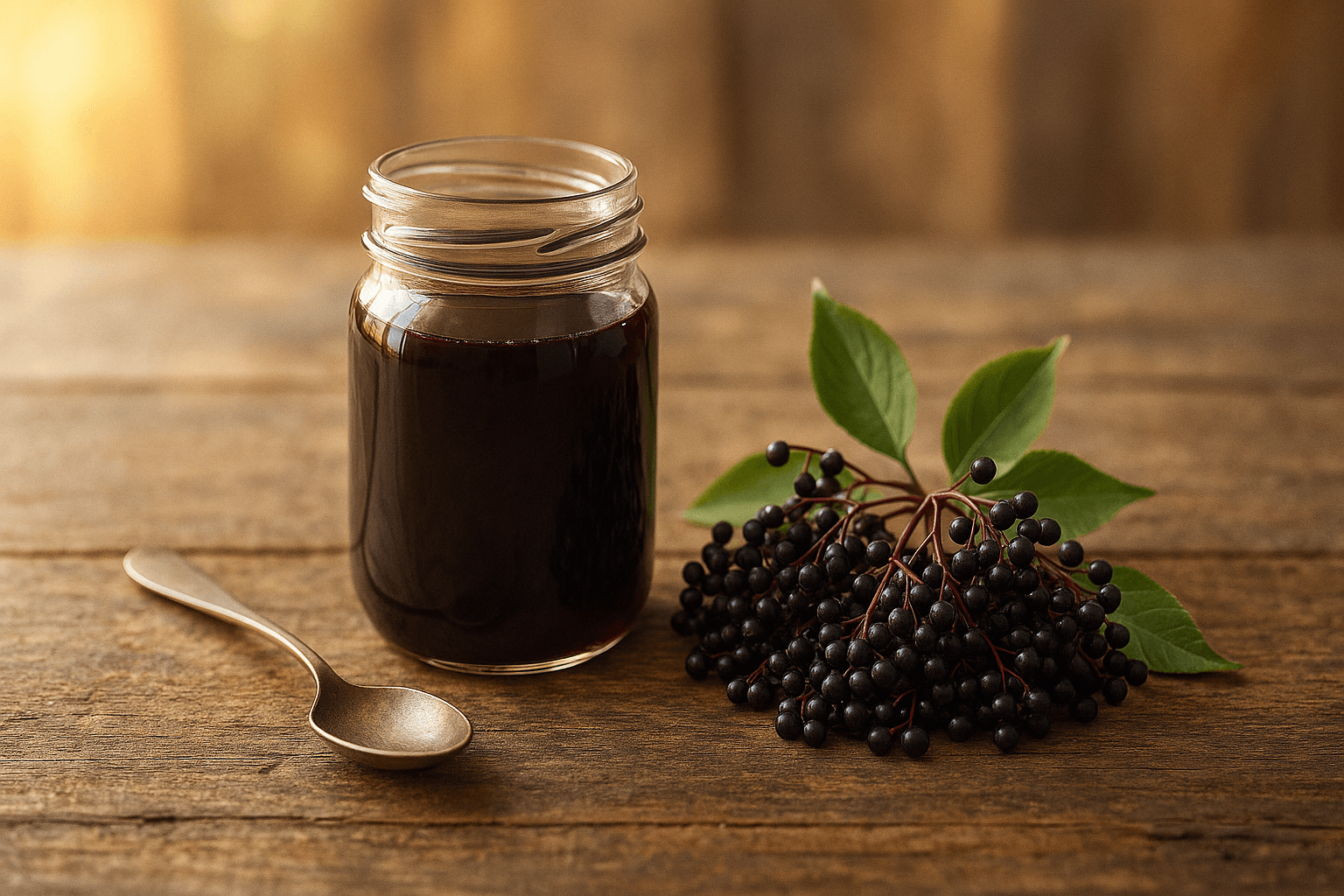
Elderberry refers to the dark purple berries of the Sambucus nigra plant, a flowering shrub native to Europe, North America, and parts of Asia. For centuries, the berries and flowers have been used in folk remedies to support immunity, treat colds, and ease seasonal ailments. Today, elderberry is most often consumed as syrups, capsules, lozenges, and gummies, especially during cold and flu season.
Nutritionally, elderberries contain small amounts of vitamin C, vitamin A, and dietary fiber. More importantly, they are rich in bioactive compounds such as anthocyanins, flavonols, and phenolic acids. Anthocyanins, the pigments that give elderberries their deep purple color, act as potent antioxidants that help reduce oxidative stress and inflammation.
It is important to note that raw elderberries, along with their leaves and stems, contain cyanogenic glycosides—naturally occurring compounds that can release cyanide and cause nausea, vomiting, or diarrhea. Proper cooking, processing, or extraction eliminates these compounds, which is why elderberry supplements are typically made from heat-treated or standardized extracts rather than raw berries.
Because humans cannot synthesize anthocyanins or other polyphenols on their own, elderberry provides a concentrated, plant-derived source of these compounds. This makes it a unique complement to the diet, especially in the context of immune support and seasonal wellness.
Key Benefits
- May support immune function – Elderberry compounds may stimulate immune responses, particularly in the upper respiratory tract.
- Rich in antioxidants – Provides anthocyanins and polyphenols that protect cells from oxidative stress and inflammation.
- May reduce duration of colds and flu – Clinical trials suggest elderberry extract may modestly shorten symptom duration when taken at onset.
Research Findings
In a 5-day randomized controlled trial (n=60 adults with confirmed influenza), those given 15 mL of elderberry syrup four times daily recovered an average of 4 days earlier than participants in the placebo group, with reduced fever, cough, and fatigue.
In a 10-day RCT (n=312 airline travelers), daily elderberry capsules started before and continued after long-haul flights were associated with reduced duration and severity of colds compared to placebo, suggesting preventive benefits in high-risk travel situations.
In an observational study (n=180 adults with common colds), elderberry extract was linked to greater improvement in nasal congestion and headache compared to standard care, though the study design limits strength of conclusions.
Overall, evidence indicates elderberry may help reduce the severity and duration of upper respiratory infections, especially when taken promptly at the onset of symptoms. However, larger, high-quality trials are needed to confirm these findings and refine dosing recommendations.
Best Sources & Dosage
Elderberries can be consumed fresh or dried, but because raw berries contain toxic compounds, they must always be cooked before use. For convenience and safety, most people use commercially prepared elderberry products. Common formats include:
- Syrups: Popular for seasonal use; often combined with honey or other herbal extracts.
- Capsules and tablets: Standardized extracts provide consistent anthocyanin content.
- Lozenges and gummies: Convenient options that combine elderberry with vitamin C, zinc, or echinacea.
- Teas and powders: Dried elderberries or flowers infused for a milder effect.
Typical studied dosages:
- Syrup/extract: 300–600 mg per day of standardized elderberry extract, often divided into two to four doses.
- Capsules/lozenges: Equivalent to 1–2 tablespoons of elderberry syrup per day.
Elderberry is generally safe for short-term use in healthy adults, though mild digestive upset has been reported. Because high doses have not been studied for long periods, most experts recommend limiting use to periods of illness or high exposure risk (such as travel or winter months).
Safety considerations
- Raw berries: Never consume uncooked elderberries, leaves, or stems, as they can cause nausea and gastrointestinal distress.
- Pregnancy and breastfeeding: Safety data are insufficient; use should be avoided unless directed by a healthcare professional.
- Autoimmune conditions: Because elderberry may stimulate the immune system, individuals with autoimmune diseases or those taking immunosuppressive medications should consult a healthcare provider before use.
Broader Perspectives
Elderberry is best known for its immune-supportive properties, but its high anthocyanin content suggests broader health relevance. Antioxidants in elderberry may help protect cells from oxidative damage, which contributes to aging and chronic disease risk.
Preclinical studies suggest elderberry extracts may influence pathways related to inflammation and glucose metabolism, though human research in these areas is limited. Some evidence also points to potential cardiovascular benefits, as anthocyanins in berries are associated with improved blood vessel function and reduced blood pressure in other fruit studies.
From a dietary perspective, elderberry fits into a larger category of deeply pigmented berries (such as blueberries, blackcurrants, and aronia berries) that are rich in polyphenols and linked with health-promoting effects. While elderberry supplements are concentrated and convenient, incorporating a variety of colorful berries into the diet offers complementary benefits.
As with many traditional remedies, elderberry’s popularity reflects both historical use and emerging science. Current evidence suggests it may offer modest benefits for shortening colds and flu when taken at the first signs of illness. However, it is not a substitute for vaccination, medical treatment, or healthy lifestyle practices such as sleep, nutrition, and hygiene. Instead, elderberry can be viewed as a supportive measure within a broader approach to seasonal health.