1. Understanding Reishi – What It Is and How It Works
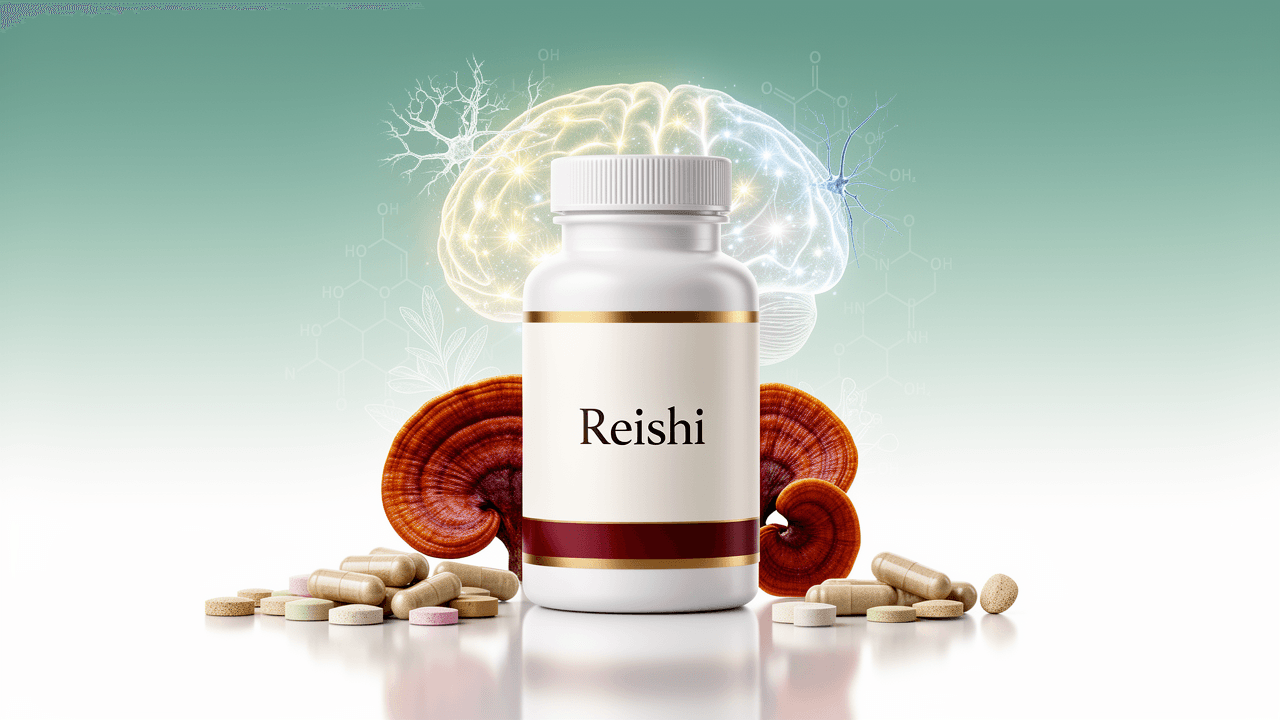
Reishi (Ganoderma lucidum) is a medicinal mushroom long used in traditional Chinese and Japanese medicine, often called the “mushroom of immortality.” It is typically consumed as an extract or tea rather than a culinary mushroom because the fruiting body is tough and bitter.
Modern supplements are usually made from:
- Fruiting body (cap and stem)
- Mycelium (the root-like growth, often grown on grain)
- Spores (reproductive cells)
The most studied species are Ganoderma lucidum and Ganoderma sinense.
Key Active Compounds
Reishi’s effects come from several bioactive constituents:
- Polysaccharides (especially β-glucans)
- Immunomodulatory (help regulate immune activity)
- Antioxidant and potential anti-inflammatory properties
- Triterpenoids (ganoderic acids, lucidenic acids)
- Bitter compounds with potential liver-protective, anti-inflammatory, and cholesterol-lowering effects
- Some show anti-allergic and anti-histamine–like actions in preclinical models
- Peptidoglycans and proteins
- Additional immune and antioxidant effects
How Reishi Works in the Body
Current evidence suggests several main mechanisms:
Immune Modulation
- β-glucans interact with immune cell receptors (e.g., dectin-1, complement receptor 3), influencing macrophages, natural killer (NK) cells, and T cells.
- May enhance immune surveillance (more active NK cells) while also helping normalize overactive immune responses.
Anti-Inflammatory and Antioxidant Effects
- In vitro and animal studies show reduced pro-inflammatory cytokines (e.g., TNF-α, IL-6) and increased antioxidant enzymes like superoxide dismutase (SOD) and glutathione peroxidase.
- This may help protect tissues from chronic low-grade inflammation and oxidative stress.
Stress Response and Sleep Regulation
- Animal data suggest reishi may influence the hypothalamic–pituitary–adrenal (HPA) axis, potentially moderating cortisol and stress responses.
- Some human data show improved fatigue and sleep quality, suggesting mild adaptogenic properties.
Metabolic and Cardiovascular Effects
- Triterpenoids may inhibit cholesterol synthesis and improve lipid profiles in some studies.
- Polysaccharides may influence glucose metabolism and insulin sensitivity.
Reishi is not a classic stimulant nootropic (like caffeine or modafinil). Rather, it is a supportive, adaptogenic-type mushroom that may indirectly support cognition through better sleep, reduced fatigue, improved immune function, and lower inflammation.
2. Key Benefits of Reishi
2.1 Immune Support and Modulation
- Enhances activity of immune cells like NK cells and macrophages.
- May improve subjective well-being in people with weakened immunity.
- Acts as an immunomodulator rather than a simple immune stimulant, which may be beneficial in chronic or age-related immune decline.
2.2 Fatigue, Stress, and Sleep Quality
- Several small clinical trials suggest reishi can reduce fatigue and irritability and improve sleep quality, especially in people with chronic fatigue or stress-related conditions.
- Benefits appear over weeks, not immediately; it behaves more like a gentle adaptogen than a sedative.
2.3 Metabolic and Cardiovascular Health
- Some studies show modest improvements in cholesterol, triglycerides, and fasting blood glucose.
- Effects tend to be mild and more pronounced in individuals with existing metabolic issues rather than healthy participants.
2.4 Liver Support (Adjunctive)
- Reishi extracts have shown potential hepatoprotective effects in animal models and small human studies.
- Some data suggest support in chronic hepatitis and elevated liver enzymes when used alongside conventional care.
Important limitation: Many of the more dramatic claims (e.g., strong anti-cancer or anti-tumor effects) are based mainly on cell and animal research or adjunctive use in oncology settings. Reishi should not be considered a stand-alone treatment for cancer or serious disease.
3. Research Findings
Below are representative human studies; many are small, and results should be viewed as preliminary.
3.1 Immunity and Quality of Life
Study: Cancer-related fatigue and well-being
- Design: Randomized, double-blind, placebo-controlled trial
- Participants: 48 breast cancer survivors with cancer-related fatigue
- Intervention: 1,000 mg/day Ganoderma lucidum spore powder vs placebo for 4 weeks
- Findings:
- Significant improvements in fatigue, anxiety, and depression scores in the reishi group compared to placebo.
- Some improvement in immune parameters (e.g., interleukin levels), suggesting immune modulation.
- Limitations: Short duration, small sample, specific to breast cancer survivors.
Study: Immune markers in advanced cancer
- Design: Open-label pilot study
- Participants: 34 patients with advanced cancer
- Intervention: 1.5 g/day reishi polysaccharide extract for 12 weeks
- Findings:
- Increased lymphocyte and NK cell activity in many participants.
- Some reported improved appetite and well-being.
- Limitations: No placebo group; cannot separate placebo effect from supplement effect.
3.2 Fatigue, Sleep, and Mood
Study: Neurasthenia (chronic fatigue–like condition)
- Design: Randomized, double-blind, placebo-controlled
- Participants: 132 patients with neurasthenia
- Intervention: Reishi extract (G. lucidum) 1,800 mg/day vs placebo for 8 weeks
- Findings:
- Significant improvements in fatigue, irritability, and well-being in the reishi group.
- Some improvement in sleep quality reported.
- Limitations: Diagnosis criteria are older; may not map directly to modern chronic fatigue syndrome definitions.
Study: Insomnia and anxiety (pilot data)
- Several small, non-blinded or uncontrolled trials and observational studies report improved sleep latency (time to fall asleep) and sleep satisfaction with reishi extracts over 4–8 weeks.
- Mechanisms may involve modulation of GABAergic and serotonergic systems in animal models, but human neurochemical data are lacking.
3.3 Metabolic and Cardiovascular Parameters
Study: Type 2 diabetes and metabolic markers
- Design: Randomized, double-blind, placebo-controlled
- Participants: 71 adults with type 2 diabetes
- Intervention: Reishi extract (G. lucidum) 1,800 mg/day vs placebo for 12 weeks
- Findings:
- Modest, non-significant improvements in HbA1c and fasting blood glucose compared with placebo.
- Some reduction in triglycerides and LDL cholesterol in the reishi group.
- Limitations: Underpowered; effects were small and not always statistically significant.
Study: Hypertension and lipids (Ganoderma lucidum + G. sinense)
- Design: Randomized, double-blind, placebo-controlled
- Participants: 84 adults with borderline hypertension and dyslipidemia
- Intervention: 1.44 g/day combined Ganoderma extract vs placebo for 12 weeks
- Findings:
- Small reductions in systolic blood pressure (~5 mmHg average) and total cholesterol in the treatment group.
- Limitations: Combined species; modest effect size.
3.4 Liver Function
Study: Chronic hepatitis B
- Design: Randomized, controlled (not always placebo)
- Participants: 90 patients with chronic hepatitis B
- Intervention: Reishi polysaccharide extract 1,500–2,250 mg/day for 12 weeks plus standard care vs standard care alone
- Findings:
- Greater normalization of ALT and AST liver enzymes in the reishi group.
- Some improvement in subjective symptoms (fatigue, appetite).
- Limitations: Methodological quality varies; more robust trials are needed.
3.5 Cognitive and Nootropic Effects
Direct human data on cognition, memory, or focus are limited:
- No large, high-quality randomized trials showing strong cognitive enhancement in healthy adults.
- Some animal studies suggest neuroprotective and anti-inflammatory effects in the brain, with potential benefits in models of neurodegeneration and ischemia.
At present, reishi is best viewed as an indirect cognitive support supplement via:
- Better sleep
- Reduced fatigue
- Lower systemic inflammation and oxidative stress
rather than as a primary, acute nootropic.
4. Best Sources & Dosage – Forms, Dosing, Timing, Safety
4.1 Forms of Reishi Supplements
Fruiting Body Extracts
- Often standardized to polysaccharides (e.g., 20–40%) and sometimes triterpenoids.
- Typically made using hot-water or dual (water + alcohol) extraction.
- Generally preferred for most health applications.
Mycelium on Grain (MOG)
- Mycelium grown on rice or other grains, then dried and powdered.
- Often cheaper but may contain significant starch from the substrate and lower triterpenoid content.
- Labeling quality varies; look for reputable brands with third-party testing.
Spore Powder / Cracked Spores
- Higher in certain triterpenoids, often marketed as more potent.
- Used at lower doses (hundreds of milligrams).
- Evidence base is smaller than for fruiting body extracts.
Teas and Tinctures
- Traditional decoctions (long-simmered teas) or alcohol-based tinctures.
- Potency is variable; harder to quantify dosage.
4.2 Evidence-Informed Dosage Ranges
General health and immune support (adult):
- Fruiting body extract (standardized):
- Typical range: 500–1,500 mg/day, often divided into 1–2 doses.
- Many clinical trials used 1,500–1,800 mg/day of extract.
Fatigue, stress, and sleep support:
- Extract:
- 1,000–1,800 mg/day, usually in the evening or split morning/evening.
- Expect effects over 2–8 weeks, not immediately.
Metabolic and cardiovascular support (adjunctive):
- Extract:
- 1,500–3,000 mg/day in divided doses has been used in studies.
- Should be combined with diet, exercise, and medical care—not used as a stand-alone therapy.
Traditional crude herb equivalents:
- Some guidelines and traditional practices refer to 3–9 g/day of dried mushroom (decoction). Standardized extracts are more concentrated; 1 g of extract may correspond to several grams of crude mushroom (check product’s “extract ratio,” e.g., 10:1).
Spore powder:
- Often used at 500–1,000 mg/day in studies involving cancer-related fatigue and immune modulation.
Practical tip: Start at the lower end of dosing ranges for 1–2 weeks to assess tolerance, then increase if needed and appropriate.
4.3 Timing and Stacking
With or without food:
- Generally taken with food to reduce potential GI discomfort and improve absorption of triterpenoids.
Time of day:
- For sleep and stress: take in the evening or split doses (morning + evening).
- For immune support: timing is less critical; consistency is more important.
Common stacks:
- With other mushrooms (e.g., lion’s mane, cordyceps, chaga) for broader immune and adaptogenic support.
- With magnesium, L-theanine, or glycine for sleep support.
- With vitamin D and zinc in immune-support regimens.
When stacking, keep total pill/powder load manageable and monitor for overlapping side effects.
4.4 Safety, Side Effects, and Drug Interactions
General Safety Profile
- Reishi is generally considered possibly safe for short- to medium-term use (up to 6–12 months) in adults when used in typical doses.
- Most clinical trials report mild and reversible side effects.
Common Side Effects
- Digestive issues: nausea, stomach upset, diarrhea, or constipation.
- Dry mouth or throat.
- Skin rash or itching (suggesting sensitivity or allergy).
- Nosebleeds or easy bruising have been reported in rare cases, possibly linked to effects on platelets and clotting.
These are typically dose-related; reducing the dose or stopping the supplement usually resolves symptoms.
Serious or Rare Concerns
Liver toxicity:
- A few case reports describe elevated liver enzymes or hepatitis in people taking high-dose reishi powder for several months.
- Causality is not fully established, but it’s prudent to be cautious, especially with long-term high-dose use or in those with pre-existing liver disease.
Bleeding risk:
- Animal and in vitro data suggest potential anti-platelet effects.
- This raises concern when combined with anticoagulant or antiplatelet medications.
Drug Interactions
Always consult a healthcare professional if you take prescription medications. Potential interactions include:
Anticoagulants / Antiplatelets
- Examples: warfarin, apixaban, rivaroxaban, heparin, aspirin, clopidogrel.
- Reishi may increase bleeding risk; avoid or use only under medical supervision.
Antihypertensive Medications
- Reishi may slightly lower blood pressure, potentially enhancing effects of blood pressure drugs.
- Monitor blood pressure if combined.
Hypoglycemic Agents (Diabetes Medications)
- Examples: metformin, sulfonylureas, insulin, SGLT2 inhibitors.
- Reishi may modestly lower blood sugar; combined use could increase risk of hypoglycemia.
- Monitor glucose more frequently if used together.
Immunosuppressants
- Examples: corticosteroids (e.g., prednisone), calcineurin inhibitors (e.g., tacrolimus, cyclosporine), biologic agents.
- Because reishi modulates immune function, it may counteract immunosuppressant therapy.
- Generally not recommended without explicit physician approval.
Chemotherapy and Radiation
- Reishi is sometimes used adjunctively in oncology, but interactions are complex and not fully understood.
- Always coordinate with an oncologist; do not self-prescribe.
4.5 Who Should and Shouldn’t Use Reishi
Potentially Good Candidates (with professional guidance)
- Adults seeking immune support during high-stress periods or seasonal challenges.
- Individuals with chronic fatigue or high stress who want a gentle adaptogenic aid for energy and sleep (alongside lifestyle changes).
- People with borderline metabolic issues (elevated cholesterol, mild insulin resistance) looking for adjunctive support to diet and exercise.
- Older adults with age-related immune decline, after discussing with their clinician.
People Who Should Avoid Reishi or Use Extreme Caution
Pregnant or Breastfeeding Women
- Insufficient safety data; generally not recommended.
Children and Adolescents
- Limited research; avoid routine use unless under pediatric specialist supervision.
People on Blood Thinners or with Bleeding Disorders
- Warfarin, DOACs, aspirin, clopidogrel, or diagnosed bleeding disorders (e.g., hemophilia).
- Reishi may increase bleeding risk; best avoided unless a physician explicitly approves.
Individuals on Immunosuppressive Therapy or After Organ Transplant
- Reishi’s immune-modulating effects may interfere with required immunosuppression.
Those with Significant Liver Disease or Unexplained Elevated Liver Enzymes
- Rare reports of hepatotoxicity mean caution is warranted.
- If used, liver enzymes (ALT, AST) should be monitored by a clinician.
Known Mushroom Allergy
- Anyone with a history of allergic reactions to mushrooms or molds should avoid reishi.
When to Stop and Seek Medical Advice
Discontinue reishi and consult a healthcare provider if you experience:
- Persistent nausea, vomiting, or abdominal pain
- Yellowing of the skin or eyes (jaundice)
- Unusual bruising, bleeding gums, or frequent nosebleeds
- Severe rash, itching, or swelling
- Marked fatigue, dark urine, or pale stools
Practical Takeaways
- Role: Reishi is best seen as a long-term, supportive adaptogenic mushroom with modest evidence for immune modulation, fatigue reduction, sleep support, and adjunctive metabolic and liver benefits.
- Not a miracle cure: Claims around powerful anti-cancer or anti-aging effects are not yet supported by large, high-quality human trials.
- Typical dose: 500–1,500 mg/day of standardized fruiting body extract for general support; 1,500–3,000 mg/day for specific issues used in studies, always with medical oversight when chronic disease or medications are involved.
- Safety: Generally well-tolerated but may pose risks for people with bleeding issues, on anticoagulants, with liver disease, or on immunosuppressants.
- Best practice: Use reputable, third-party–tested products, start low, monitor how you feel, and coordinate with a healthcare professional—especially if you have medical conditions or take prescription drugs.