1. Understanding Reishi – What It Is and How It Works
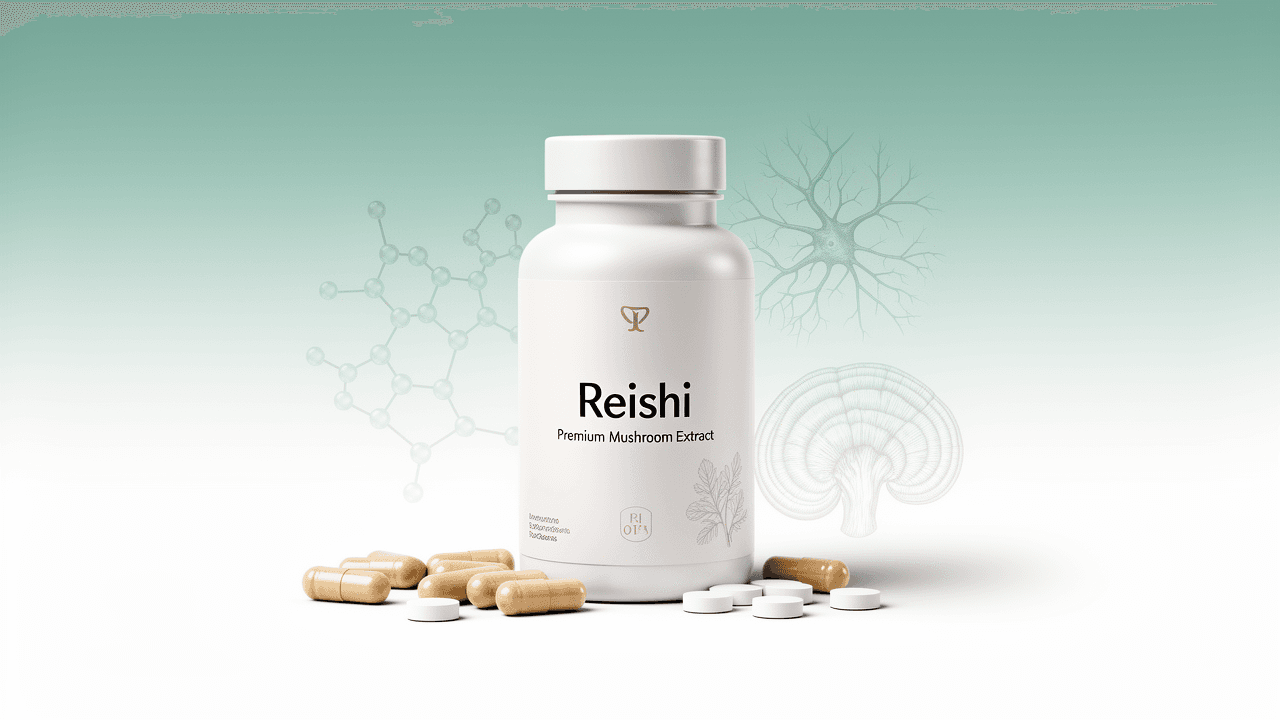
Reishi (Ganoderma lucidum), also known as lingzhi, is a medicinal mushroom used for over 2,000 years in Traditional Chinese Medicine (TCM). It is traditionally classified as a “shen” and “qi” tonic, believed to support vitality, immunity, and longevity.
Modern supplements usually contain:
- Fruit body extracts (the visible mushroom)
- Mycelium-based products (the root-like structure grown on grain)
- Spores or spore oil (reproductive cells of the mushroom)
The main bioactive compounds include:
- Polysaccharides (especially β-glucans) – immunomodulatory, antioxidant
- Triterpenoids (ganoderic acids, lucidic acids) – anti-inflammatory, hepatoprotective, may affect histamine and mast cells
- Sterols, peptides, phenolic compounds – additional antioxidant and signaling effects
How Reishi Works in the Body
1. Immune modulation
Reishi is best described as an immune modulator rather than a simple immune booster.
Key mechanisms:
- β-glucans interact with pattern recognition receptors (e.g., Dectin-1, TLRs) on macrophages, dendritic cells, and natural killer (NK) cells
- This can increase NK cell activity, T-cell function, and antibody production, while also modulating inflammatory cytokines (IL-2, IL-6, TNF-α, IFN-γ)
- Effects are context-dependent: in some settings, reishi may enhance immune responses; in others, it may reduce excessive inflammation
2. Anti-inflammatory and antioxidant actions
Triterpenoids and polysaccharides:
- Reduce pro-inflammatory mediators (e.g., NF-κB signaling, COX-2 expression) in experimental models
- Increase endogenous antioxidant enzymes (SOD, catalase, glutathione peroxidase) and reduce lipid peroxidation
3. Potential neuroprotective and stress-modulating effects
Animal and in vitro data suggest reishi may:
- Protect neurons from oxidative and inflammatory damage
- Influence GABAergic and serotonergic signaling
- Modulate the HPA axis (stress response), potentially contributing to anxiolytic and sleep-supportive effects
4. Metabolic and cardiovascular effects
Some components may:
- Improve endothelial function and nitric oxide availability
- Modestly reduce LDL cholesterol and triglycerides in some studies
- Improve insulin sensitivity and fasting blood glucose in select populations
Overall, reishi is best viewed as an adaptogenic, immunomodulatory, and anti-inflammatory supplement with broad systemic effects.
2. Key Benefits of Reishi
1. Immune System Support (Modulation, Not Just “Boosting”)
Human trials suggest reishi can:
- Enhance certain immune functions (NK cell activity, T-cell responses)
- Support immune status in people under stress or with chronic conditions
This may translate into better resilience, though evidence for infection prevention (e.g., fewer colds) is still limited.
2. Sleep and Anxiety Support
Several small human studies and a number of animal experiments suggest reishi:
- May improve sleep quality and reduce sleep latency (time to fall asleep)
- May reduce anxiety and fatigue, particularly in people with neurasthenia or chronic fatigue-like symptoms
These effects are modest but potentially useful as part of a broader sleep or stress-management plan.
3. Fatigue Reduction and Quality of Life in Chronic Conditions
In people with chronic illnesses (e.g., cancer, neurasthenia, fibromyalgia-like syndromes), reishi has been associated with:
- Reduced fatigue scores
- Improved well-being and quality of life
The evidence is mixed and often based on small studies, but suggests a possible role as an adjunct, not a standalone treatment.
4. Metabolic and Cardiovascular Support (Preliminary)
Some trials show reishi may:
- Modestly lower fasting blood glucose and HbA1c in type 2 diabetes (results inconsistent)
- Slightly improve lipid profiles (lower LDL, higher HDL) in some populations
Effects are generally mild and more supportive than therapeutic. Reishi should not replace medications for diabetes or cardiovascular disease.
3. Research Findings on Reishi
Below are representative human studies. Many are small or methodologically limited, so findings should be interpreted cautiously.
3.1 Immune Function and Cancer-Related Outcomes
Colorectal adenomas and immune markers
- Study: Double-blind RCT, 96 patients with colorectal adenomas
- Intervention: 1.5 g/day reishi extract or placebo for 12 months
- Findings: Reishi group showed improved NK cell activity and some favorable immune marker changes, but no statistically significant reduction in adenoma recurrence vs placebo.
- Implication: Supports immunomodulatory effects; no clear evidence of anticancer efficacy as monotherapy.
Advanced cancer patients – quality of life and immune function
- Several small RCTs and open-label trials (sample sizes typically 40–100) have used reishi extracts (1.5–5.4 g/day) as adjuncts to chemotherapy or radiotherapy.
- Findings commonly report:
- Increased NK cell activity and T-cell subsets
- Improved appetite, fatigue, and general quality-of-life scores
- No robust evidence of improved overall survival when used alone
These studies suggest reishi may be helpful as an adjunct for symptom management and immune support in oncology, but it is not an anticancer cure and should only be used under medical supervision.
3.2 Fatigue, Neurasthenia, and Sleep
Neurasthenia (chronic fatigue-like symptoms)
- Study: Double-blind RCT, 132 patients with neurasthenia
- Intervention: 1,800 mg/day reishi extract or placebo for 8 weeks
- Findings:
- Significant improvement in fatigue, irritability, and well-being scores in the reishi group vs placebo
- No major adverse effects reported
- Implication: Reishi may help reduce fatigue and improve subjective well-being in stress-related fatigue.
Cancer-related fatigue (breast cancer)
- Study: RCT, 48 breast cancer survivors with persistent fatigue
- Intervention: Reishi spore powder 1,000 mg 3x/day (3 g/day) vs placebo for 4 weeks
- Findings:
- Improved fatigue, anxiety, and depression scores in the reishi group
- Some improvement in sleep quality
- Implication: Potential adjunct for fatigue and mood in post-treatment cancer patients.
Sleep quality (non-cancer populations)
- Evidence comes mainly from small, often open-label or non-randomized studies and animal data.
- Human data suggest modest improvements in sleep quality and reduced sleep latency, but high-quality RCTs are limited.
3.3 Metabolic and Cardiovascular Parameters
Type 2 diabetes
- Study: Double-blind RCT, 71 patients with type 2 diabetes
- Intervention: 1,800 mg/day reishi extract or placebo for 12 weeks
- Findings:
- Small, non-significant reductions in HbA1c and fasting glucose vs placebo
- No major adverse effects
- Implication: Reishi alone is unlikely to produce clinically meaningful glycemic improvements; may have mild supportive effects.
Dyslipidemia and blood pressure
- Several small trials (sample sizes ~40–90) using 1.5–3 g/day of reishi extract for 8–12 weeks have reported:
- Modest reductions in LDL cholesterol and triglycerides
- Slight improvements in HDL cholesterol
- Little to no consistent effect on blood pressure
These findings are encouraging but not strong enough to recommend reishi as a primary lipid-lowering or antihypertensive therapy.
3.4 Cognitive and Nootropic Effects
Human data on cognition and nootropic use are limited:
- No large, high-quality RCTs specifically examining memory, attention, or executive function in healthy adults
- Some small studies in older adults and people with chronic illness report subjective improvements in well-being, calmness, and sleep, which may indirectly support cognitive performance
- Animal studies suggest neuroprotective effects in models of neurodegeneration and ischemia, likely via antioxidant and anti-inflammatory pathways
At present, reishi is not a primary nootropic in the sense of acute cognitive enhancement; its role is more supportive (stress, sleep, systemic health) than directly pro-cognitive.
4. Best Sources & Dosage
4.1 Forms of Reishi Supplements
Standardized fruiting body extract
- Often labeled as 10:1 or similar extract ratios
- Typically standardized to polysaccharides (10–40%) and sometimes triterpenoids
- Generally preferred for consistent dosing
Whole mushroom powder (non-extracted)
- Ground dried fruiting body
- Lower concentration of actives; larger doses needed (grams vs milligrams)
- Often used in teas or capsules
Mycelium-based products
- Mycelium grown on grain (e.g., brown rice); may contain more starch and fewer triterpenoids
- Quality is variable; label often lists “mycelial biomass” or “mycelium on grain”
Spore powder and spore oil
- Higher in certain triterpenoids and lipophilic compounds
- Often marketed for immune and anti-fatigue effects
- Typically more expensive and used at lower doses
4.2 General Dosage Guidelines
Note: Dosages below are for adults and refer to typical ranges used in human studies. Always start at the lower end and titrate as tolerated.
1. General health and immune support
- Standardized extract: 1,000–2,000 mg/day (often divided 1–2 doses)
- Whole mushroom powder: 3–5 g/day
- Spore powder: 1–3 g/day
2. Stress, sleep, and fatigue support
- Extract: 1,000–1,800 mg/day
- Timing: Often taken in the evening or split between afternoon and evening; some people feel sedated, others do not.
3. Adjunct in chronic illness (e.g., cancer, chronic fatigue)
- Clinical trials often use 1,500–5,400 mg/day of extract in divided doses
- These higher doses should only be used under medical supervision, especially in oncology.
4. Nootropic or wellness stacks
- When used alongside other adaptogens (e.g., ashwagandha, rhodiola) or nootropics:
- Extract: 500–1,000 mg/day is a common starting range
- Focus on evening dosing if targeting sleep/anxiety; morning or split dosing if targeting general resilience
4.3 Timing and Administration
- With or without food?
- Reishi extracts are often taken with food to minimize gastrointestinal discomfort.
- Tea vs capsules
- Traditional use involves decoctions (long-simmered teas). Modern extracts in capsules are more convenient and standardized.
- Cycling
- Some practitioners recommend using reishi for 6–12 weeks, followed by a 1–2 week break, especially at higher doses, though formal evidence on cycling is limited.
4.4 Quality and Standardization
When choosing a product, look for:
- Clear labeling of species: Ganoderma lucidum or closely related species
- Standardization to polysaccharides and/or triterpenoids
- Third-party testing for heavy metals, pesticides, and microbial contamination
- Transparent information about whether the product is fruiting body, mycelium, or a blend
5. Safety, Side Effects, and Drug Interactions
5.1 General Safety Profile
Reishi is generally well-tolerated in short- to moderate-term use (up to 6 months) at typical doses. However, it is not risk-free.
Common, usually mild side effects:
- Digestive upset: nausea, loose stools, abdominal discomfort
- Dry mouth or throat
- Skin rash or itching (possible allergic reaction)
- Headache or dizziness in some individuals
Most side effects improve with dose reduction or discontinuation.
5.2 Potential Serious Adverse Effects (Rare)
Case reports (often with high doses or long-term use) have described:
- Liver injury (hepatotoxicity): A few cases of elevated liver enzymes or hepatitis-like symptoms in people taking reishi for months; causality is not always clear, but caution is warranted.
- Bleeding risk: Due to potential antiplatelet effects, reishi may increase bleeding risk, particularly when combined with anticoagulant or antiplatelet drugs.
If you experience jaundice, dark urine, severe fatigue, unusual bruising, or bleeding, discontinue use and seek medical evaluation.
5.3 Drug Interactions
1. Anticoagulants and antiplatelet drugs
- Examples: warfarin, apixaban, rivaroxaban, heparin, aspirin, clopidogrel
- Concern: Reishi may have mild blood-thinning or antiplatelet activity, potentially increasing bleeding risk when combined.
- Recommendation: Avoid or use only under close medical supervision with regular monitoring.
2. Antihypertensive medications
- Reishi may have a mild blood pressure-lowering effect in some individuals.
- Combined with blood pressure medications, this could contribute to hypotension (dizziness, fainting) in susceptible people.
3. Hypoglycemic agents (diabetes medications)
- Examples: metformin, sulfonylureas, insulin, SGLT2 inhibitors
- Reishi may modestly lower blood glucose, potentially increasing risk of hypoglycemia when combined with these drugs.
- Monitor blood sugar closely if used concurrently; dose adjustments of medications may be needed under medical guidance.
4. Immunosuppressants
- Examples: corticosteroids (prednisone), calcineurin inhibitors (tacrolimus, cyclosporine), biologic agents, post-transplant medications
- Because reishi can modulate immune function, it may counteract the effects of immunosuppressive drugs.
- Generally not recommended for people on strong immunosuppressants (e.g., transplant patients) unless specifically approved by a specialist.
5. Chemotherapy and radiotherapy
- Reishi is sometimes used adjunctively in oncology, but interactions with specific chemotherapy agents are not fully understood.
- It may alter drug metabolism (via CYP enzymes) or immune response to therapy.
- Always involve the oncology team before adding reishi.
5.4 Duration of Use
- Short-term use (up to 12 weeks) at moderate doses appears relatively safe in healthy adults.
- Long-term, continuous use at high doses (e.g., >3 g/day extract) has less safety data and should be supervised by a healthcare professional, especially in people with underlying medical conditions.
6. Who Should and Shouldn’t Use Reishi
6.1 Who May Benefit from Reishi
Reishi may be appropriate (with individual assessment) for:
Adults seeking general immune and wellness support
- Especially those under chronic stress or with demanding lifestyles
Individuals with mild stress, anxiety, or sleep difficulties
- As part of a broader plan including sleep hygiene, stress management, and possibly other interventions
People with chronic fatigue-like symptoms or low resilience
- Particularly where mood, sleep, and stress are also involved
Select patients with chronic illnesses
- Such as cancer survivors or those undergoing treatment, where the goal is improved quality of life, fatigue, and immune markers – but only under medical supervision.
6.2 Who Should Avoid or Use Reishi with Caution
Pregnant or breastfeeding individuals
- Evidence is insufficient; safety not established.
- Avoid unless specifically recommended by a clinician familiar with both your case and the research.
People with bleeding disorders or on blood thinners
- Due to potential increased bleeding risk.
- This includes those with hemophilia, thrombocytopenia, or on warfarin, DOACs, aspirin, or other antiplatelet/anticoagulant drugs.
Individuals with autoimmune diseases
- Conditions: rheumatoid arthritis, lupus, multiple sclerosis, Hashimoto’s thyroiditis, etc.
- Reishi’s immune-modulating effects could theoretically exacerbate autoimmunity in some cases, though evidence is mixed.
- Use only under supervision of a rheumatologist or knowledgeable clinician.
Transplant recipients or those on strong immunosuppressants
- Reishi may interfere with immunosuppressive therapy.
- Generally contraindicated unless explicitly approved by the transplant/immune specialist.
People with liver disease or unexplained liver enzyme elevations
- Due to rare reports of hepatotoxicity, those with chronic hepatitis, cirrhosis, or NAFLD should be cautious.
- If used, require baseline and periodic liver function tests.
Children and adolescents
- Limited safety data; routine use is not recommended without pediatric specialist guidance.
Individuals with known mushroom allergies
- Risk of allergic reactions is higher; avoid.
6.3 Practical Pre-Use Checklist
Before starting reishi, consider:
- Do you take blood thinners, diabetes meds, or immunosuppressants?
- Do you have liver disease, bleeding issues, or autoimmunity?
- Are you pregnant, breastfeeding, or under 18?
If any answer is “yes,” consult a healthcare provider before use.
7. Takeaway
Reishi (Ganoderma lucidum) is a traditional medicinal mushroom with modern evidence supporting:
- Immune modulation (particularly NK cell and T-cell activity)
- Modest improvements in fatigue, sleep quality, and subjective well-being
- Adjunctive benefits in chronic illness for quality of life and immune markers
Its role as a nootropic is indirect, primarily via better sleep, stress resilience, and systemic health rather than acute cognitive enhancement.
Typical doses range from 1–2 g/day of standardized extract for general support, up to 3–5 g/day (or higher in clinical settings) under medical supervision. While generally safe for short- to moderate-term use in healthy adults, reishi can interact with anticoagulants, antihypertensives, hypoglycemic agents, and immunosuppressants, and may rarely affect liver function.
Used thoughtfully—with attention to quality, dosage, and individual health status—reishi can be a useful addition to a comprehensive wellness or stress-management strategy, but it should not replace evidence-based medical treatments for serious conditions.