
Understanding Quercetin
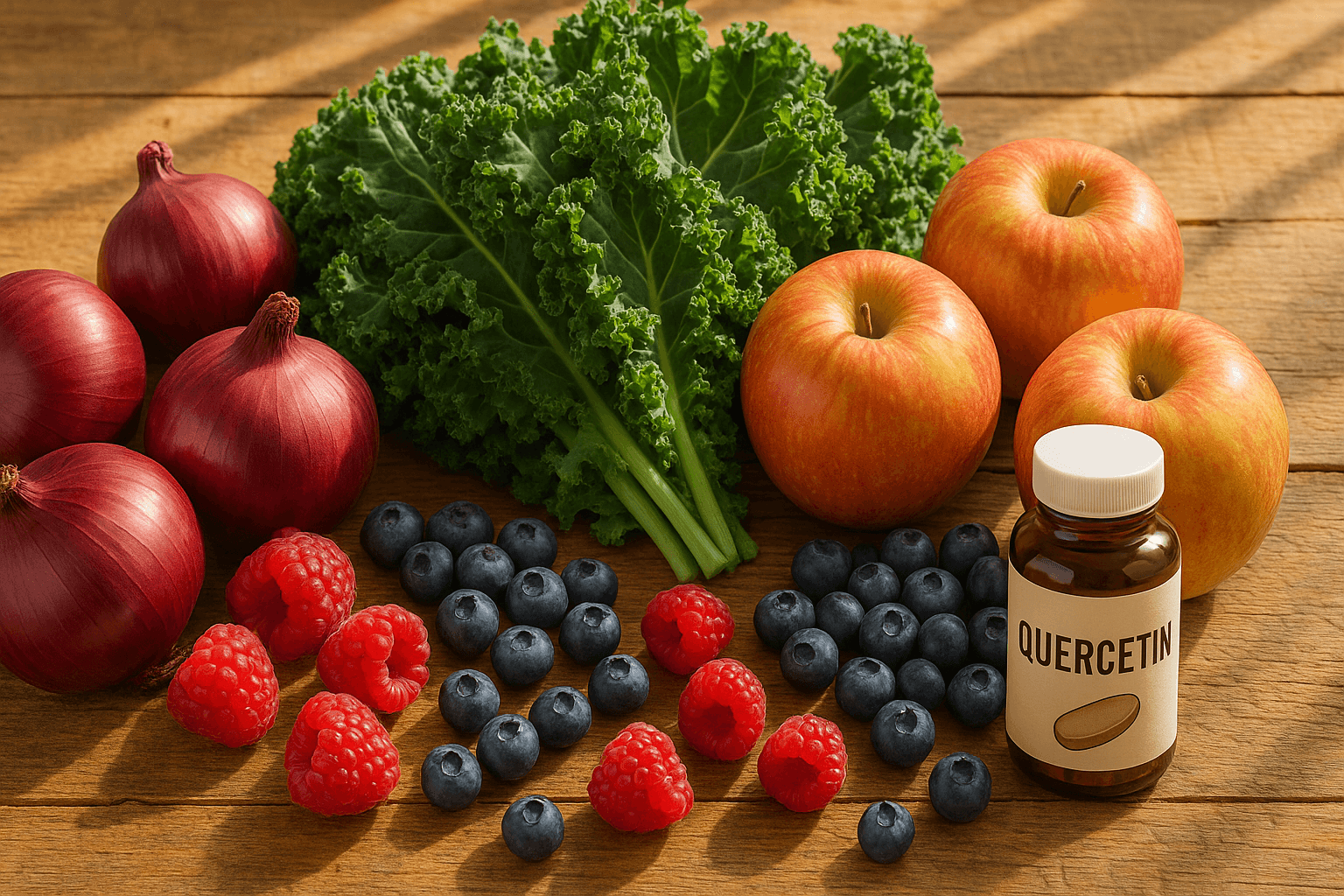
Quercetin is a plant-derived flavonol within the larger flavonoid family. It naturally occurs in many fruits, vegetables, leaves, and grains, with particularly high concentrations in capers, red onions, apples, kale, and berries. Because the human body does not produce quercetin, it must be obtained through diet or supplementation.
As one of the most researched flavonoids, quercetin stands out for its diverse biological effects. It functions as a potent antioxidant, directly neutralizing free radicals and preventing oxidative stress, which contributes to cellular aging and chronic disease development. These protective actions are particularly relevant to the cardiovascular system, immune response, and brain health.
Quercetin also demonstrates anti-inflammatory activity by inhibiting pro-inflammatory enzymes such as cyclooxygenase (COX) and lipoxygenase (LOX). This mechanism helps downregulate inflammatory signaling pathways, supporting long-term wellness. Additionally, quercetin acts as a natural antihistamine, stabilizing mast cells and reducing histamine release, which directly impacts seasonal allergies and allergic responses.
Another important factor is bioavailability. Quercetin exists in foods primarily as glycosides, which are better absorbed than the free aglycone form found in many supplements. Newer supplement technologies, such as liposomal quercetin or quercetin combined with bromelain (an enzyme from pineapple), have been developed to improve absorption and biological effectiveness.
Key Benefits
Strong Antioxidant Protection – Quercetin neutralizes reactive oxygen species, reduces oxidative damage, and strengthens cellular defenses, particularly in the cardiovascular and nervous systems.
Anti-Inflammatory & Allergy Support – Quercetin suppresses inflammatory signaling and stabilizes mast cells, reducing histamine release and easing allergy symptoms.
Cardiovascular Wellness – Quercetin supports healthy blood pressure, lowers LDL cholesterol, and improves endothelial function, contributing to long-term heart protection.
Immune Defense & Recovery – Quercetin enhances immune regulation, helping the body defend against stressors while supporting faster recovery from colds and seasonal illnesses.
Research Findings
Dietary intervention studies – Populations consuming diets rich in quercetin-containing foods such as onions and apples consistently show lower markers of oxidative stress and inflammation. These observations suggest long-term cardiovascular and immune benefits tied to regular quercetin intake.
Supplementation trials in metabolic health (250–1,000 mg/day for 8–12 weeks) – Clinical studies in individuals with metabolic syndrome demonstrate reductions in systolic blood pressure, modest improvements in blood sugar control, and healthier lipid profiles. These outcomes confirm quercetin’s role in cardiovascular and metabolic support.
Allergy and antihistamine trials – Adults with seasonal allergic rhinitis who supplemented with quercetin reported fewer symptoms such as nasal congestion, sneezing, and watery eyes. These improvements are linked to quercetin’s ability to stabilize mast cells and lower histamine release.
Safety evaluations – Quercetin has been administered in human studies at doses up to 1,000 mg per day for 12 weeks with excellent tolerance. Side effects are rare and generally limited to mild digestive discomfort. Long-term safety beyond three months is still being investigated, but current evidence indicates a strong safety profile.
Bioavailability research – Studies confirm that quercetin glycosides from natural foods are absorbed more efficiently than aglycone supplements. However, formulations that include bromelain, phospholipid complexes, or liposomal technology significantly improve absorption and plasma concentrations. This makes supplemental quercetin more practical for consistent health effects.
Best Sources & Dosage
Most Bioavailable Forms:
Natural food sources: capers, onions, kale, apples, grapes, and berries.
Supplement sources: quercetin aglycone (basic form), quercetin glycosides, quercetin with bromelain (improves absorption and enhances anti-inflammatory activity), and liposomal or nano-enhanced quercetin for maximum bioavailability.
Typical Dosage Ranges (Healthy Adults):
250–1,000 mg per day, depending on individual goals.
500–1,000 mg per day is the most common range studied in human trials, typically split into two doses.
Clinical studies using 500 mg twice daily show consistent improvements in blood pressure, inflammation, and allergy symptoms.
Timing & Safety Notes:
Best taken with meals containing healthy fats to improve absorption.
For allergy support, daily dosing during peak allergy season provides the most benefit.
Quercetin combined with bromelain is popular for allergy and sinus relief, as bromelain enhances absorption and has complementary anti-inflammatory effects.
Safety profile is strong at doses up to 1,000 mg per day for 12 weeks. Mild side effects may include stomach upset or headache in sensitive individuals.
Avoid use during pregnancy, breastfeeding, or in children due to insufficient evidence.
Individuals with kidney disease should avoid high-dose quercetin, as rare kidney-related side effects have been reported at excessive intakes.
Quercetin interacts with liver enzymes (CYP3A4, CYP2C19), which means it can influence how certain medications are metabolized. People taking antibiotics, blood pressure medications, or immunosuppressants should consult a healthcare provider before supplementation.