1. Understanding Cordyceps – What It Is and How It Works
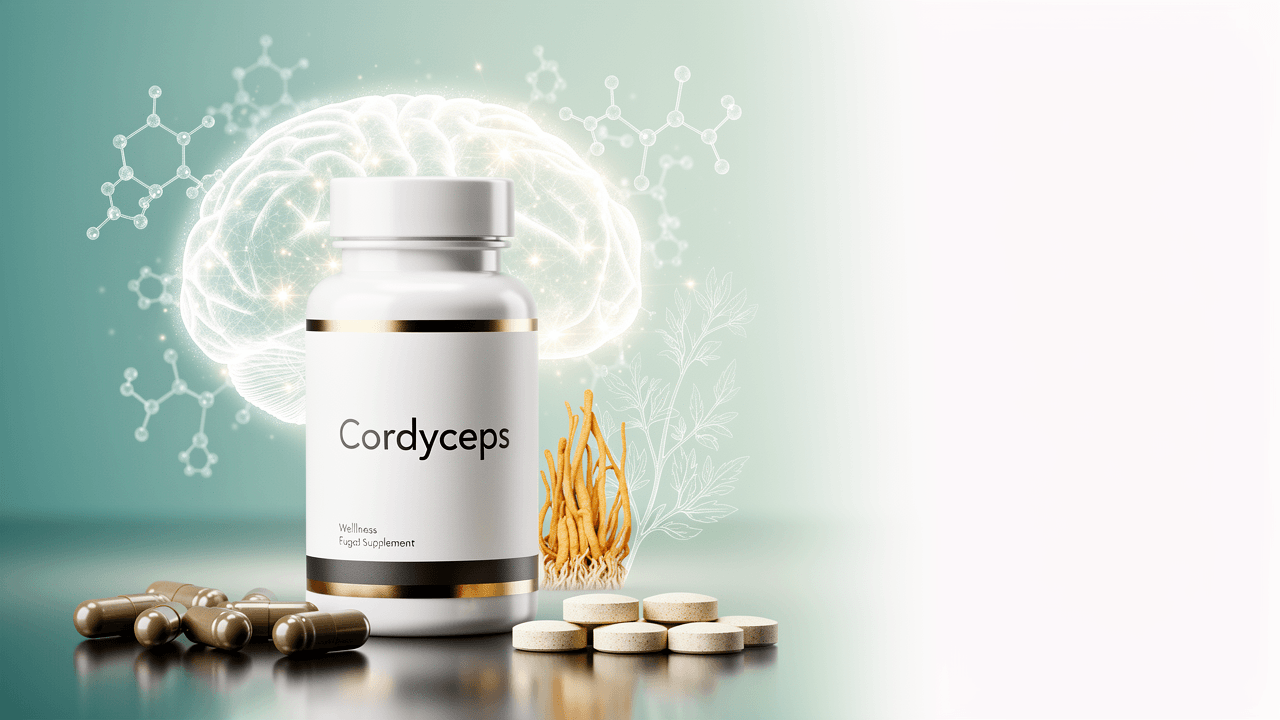
Cordyceps is a genus of parasitic fungi traditionally used in Chinese and Tibetan medicine for fatigue, respiratory issues, libido, and longevity. Modern supplements usually contain:
- Cordyceps sinensis (Ophiocordyceps sinensis) – the “caterpillar fungus” historically used in TCM; wild form is rare and expensive. Most products use fermented mycelium grown in liquid culture.
- Cordyceps militaris – another species with similar active compounds, easier to cultivate on solid substrates; often richer in cordycepin.
Commercial products are typically:
- Fruiting body extracts (often C. militaris)
- Mycelial biomass (C. sinensis or C. militaris grown on grain or liquid media)
- Standardized extracts (e.g., 10–40% polysaccharides, or specified cordycepin/adenosine levels)
Key Active Compounds
Cordyceps contains several biologically active molecules:
- Polysaccharides (β-glucans and others) – immunomodulatory and antioxidant effects
- Cordycepin (3′-deoxyadenosine) – nucleoside analog with anti-inflammatory, potential neuroprotective and metabolic effects
- Adenosine and related nucleosides – may influence energy metabolism and blood flow
- Sterols (e.g., ergosterol) – potential anti-inflammatory and immunomodulatory actions
- Peptides and polyphenols – antioxidant and signaling effects
How Cordyceps May Work in the Body
Current evidence suggests several mechanisms:
Mitochondrial and Energy Metabolism Support
- Animal and cell studies show cordyceps extracts can increase ATP production and improve mitochondrial efficiency.
- Cordycepin and polysaccharides may upregulate genes involved in oxidative phosphorylation and fatty acid oxidation.
Improved Oxygen Utilization and Blood Flow
- Some human and animal data suggest enhanced VO₂ max and oxygen utilization.
- Cordyceps can influence nitric oxide (NO) pathways and adenosine receptors, potentially improving microcirculation.
Anti-Inflammatory and Antioxidant Effects
- Cordyceps polysaccharides reduce pro-inflammatory cytokines (e.g., TNF-α, IL-1β, IL-6) in preclinical models.
- Increases in endogenous antioxidant enzymes (SOD, catalase, glutathione peroxidase) have been observed.
Neuroprotective and Nootropic Potential
- Cordycepin appears to modulate BDNF (brain-derived neurotrophic factor) and AMPK signaling in animal studies.
- Antioxidant and anti-inflammatory actions may protect neurons from oxidative and excitotoxic damage.
Immune Modulation
- Polysaccharides can modulate innate and adaptive immunity, influencing macrophages, NK cells, and T-cell function in preclinical studies.
- Effects appear bidirectional (supporting immune response when weak, dampening excessive inflammation), though this is not fully characterized in humans.
Endocrine and Metabolic Effects
- Animal models show improved insulin sensitivity, better lipid profiles, and protection against diabetic kidney damage.
- Some human data suggest modest improvements in lipids and glycemic markers, but evidence is limited.
2. Key Benefits – What Cordyceps May Help With
Based on current evidence, cordyceps appears most promising for:
2.1 Exercise Performance and Fatigue
Cordyceps is widely used as an ergogenic aid. Human studies suggest it may:
- Improve aerobic capacity (VO₂ max) in some populations
- Reduce perceived exertion and exercise-induced fatigue
- Support recovery in older or less-trained individuals
Effects tend to be modest and more consistent in untrained or older adults than in young, highly trained athletes.
2.2 Energy, Vitality, and Anti-Fatigue
Traditional use and early clinical data suggest cordyceps may:
- Improve subjective energy and reduce chronic fatigue symptoms
- Support daytime alertness without strong stimulation
- Potentially help with fatigue related to chronic illness (evidence is preliminary)
2.3 Potential Cognitive and Mood Support
Human data are sparse, but preclinical research indicates:
- Neuroprotective effects in models of neurodegeneration and ischemia
- Possible enhancement of learning and memory in rodents
- Anti-inflammatory and antioxidant actions in the brain, which may support long-term cognitive health
At present, cordyceps is better supported as a general vitality and fatigue supplement than as a direct nootropic, though it may indirectly support cognition via better energy and circulation.
2.4 Metabolic and Cardiovascular Support (Preliminary)
Some studies indicate:
- Modest improvements in cholesterol and triglycerides
- Potential support for blood sugar control in type 2 diabetes
- Improved kidney function markers in chronic kidney disease (CKD) when used as an adjunct
These findings are promising but should not replace standard medical treatment.
3. Research Findings – What Studies Show
3.1 Exercise Performance and VO₂ Max
Older adults, 12-week trial
- Design: Double-blind, placebo-controlled RCT
- Participants: 20 older adults (mean age ~65)
- Intervention: 333 mg/day of a C. sinensis–containing mushroom blend vs placebo for 12 weeks
- Findings:
- Significant increase in VO₂ max in the cordyceps group compared with placebo.
- Improved ventilatory threshold (point at which breathing becomes more labored).
- No major adverse events reported.
- Limitations: small sample size, product was a blend (not pure cordyceps), older population only.
Young adults, short-term supplementation
- Design: Randomized, double-blind, placebo-controlled
- Participants: ~20–30 healthy young adults (various small studies)
- Intervention: 1–4 g/day cordyceps or cordyceps-containing blends for 3–6 weeks
- Findings:
- Some studies show no significant improvement in VO₂ max or time to exhaustion in already fit individuals.
- Others show small improvements in ventilatory threshold or anaerobic performance, but effects are inconsistent.
- Overall: cordyceps appears more beneficial in less-conditioned or older individuals than in trained athletes.
3.2 Fatigue and General Vitality
Chronic fatigue–like symptoms
- Design: Small open-label or uncontrolled studies in individuals with fatigue or low vitality
- Participants: Typically 20–50 adults
- Intervention: 1–3 g/day cordyceps mycelium or extract for 4–8 weeks
- Findings:
- Reported improvements in subjective fatigue scores, exercise tolerance, and quality of life.
- Lack of placebo control and blinding limits reliability; placebo effect likely contributes.
3.3 Metabolic Health and Diabetes (Preliminary)
Type 2 diabetes – adjunctive use
- Design: Randomized or controlled trials, mostly in China
- Participants: Typically 40–100 adults with type 2 diabetes
- Intervention: 1–3 g/day cordyceps (often C. sinensis mycelium) alongside standard therapy for 4–12 weeks
- Findings:
- Modest reductions in fasting blood glucose and HbA1c in some studies.
- Improved lipid profiles (lower total cholesterol and triglycerides) in several trials.
- Some evidence of improved kidney function markers (e.g., serum creatinine, proteinuria) in diabetic nephropathy.
- Limitations: variable quality, limited blinding, and publication bias concerns.
3.4 Chronic Kidney Disease (CKD)
CKD adjunct therapy
- Design: Multiple small RCTs and controlled trials, mostly in China
- Participants: Patients with chronic kidney disease (various stages), sample sizes often 30–120
- Intervention: 1–3 g/day cordyceps preparations + standard medical therapy for 1–6 months
- Findings:
- Some studies report improved serum creatinine, creatinine clearance, and proteinuria compared with control.
- Potential reduction in progression rate of CKD in some cohorts.
- Safety generally acceptable, but long-term data are limited.
- Limitations: heterogeneity in products and protocols; many trials are not high quality by modern standards.
3.5 Neuroprotection and Cognitive Effects (Preclinical)
Most nootropic-related data come from animal and cell studies:
- Rodent models of Alzheimer’s disease: cordycepin and cordyceps extracts improved memory performance in maze tests, reduced β-amyloid–induced neurotoxicity, and lowered oxidative stress markers.
- Models of cerebral ischemia (stroke-like injury): reductions in neuronal death, improved neurological scores, and decreased inflammatory markers.
- In vitro studies: cordycepin protects neurons from glutamate-induced excitotoxicity and oxidative damage.
These findings support a theoretical neuroprotective and nootropic role, but robust human trials are lacking.
4. Best Sources & Dosage – Forms, Dosing, Timing, and Safety
4.1 Supplement Forms
Fruiting Body Extract (often C. militaris)
- Typically standardized to polysaccharides (10–40%), sometimes cordycepin.
- Considered closer to traditional use and often richer in certain actives.
Mycelial Biomass (C. sinensis or C. militaris)
- Mycelium grown on grain (e.g., rice, sorghum) or in liquid culture.
- Can contain more substrate-derived starch and lower cordycepin; quality varies widely.
Standardized Extracts
- May specify cordycepin content (e.g., 1–3%) or adenosine.
- Useful for more consistent dosing, often used in research settings.
Combination Formulas
- Cordyceps often combined with other mushrooms (reishi, lion’s mane) or adaptogens.
- May provide synergistic effects but makes it harder to attribute outcomes to cordyceps alone.
Quality tips:
- Look for third-party testing (e.g., NSF, USP, Informed-Choice, or independent lab reports).
- Check for species identification (C. militaris vs C. sinensis) and standardization details.
- Avoid products making extreme claims ("cures cancer," "replaces insulin") – these are red flags.
4.2 Evidence-Informed Dosage Guidelines
These ranges are based on human studies and common clinical practice. Individual needs vary; start low and adjust.
General Health, Vitality, and Immune Support
- Typical range: 500–1,500 mg/day of a standardized extract
- Form: Fruiting body or high-quality mycelial extract
- Timing: Once daily in the morning with food, or split into 2 doses (morning and early afternoon)
Exercise Performance and Anti-Fatigue
- Mild support (recreational exercisers): 1,000–2,000 mg/day
- Older or deconditioned adults (as in VO₂ max studies): ~333–1,000 mg/day
- Timing: Daily for at least 3–4 weeks; some studies use 8–12 weeks for full effect. Take 30–60 minutes before exercise or with breakfast.
Cognitive and Neuroprotective Support (Adjunctive)
- Range: 1,000–2,000 mg/day of extract
- Rationale: Extrapolated from metabolic and fatigue studies plus preclinical neuro data.
- Timing: Morning and midday; avoid late evening if you are sensitive to energizing effects.
Metabolic and Kidney Support (Adjunct to Medical Care)
- Range in studies: 1,000–3,000 mg/day, typically divided 2–3 times daily
- Use only under medical supervision, especially in diabetes or kidney disease.
Note: Doses for whole dried mushroom (non-extract) are usually higher (e.g., 2–6 g/day), but research typically uses extracts.
4.3 Onset and Duration
- Acute effects: Some people notice mild increases in energy and reduced fatigue within days.
- Performance and metabolic benefits: Often assessed after 3–12 weeks of continuous use.
- Cycles: Many practitioners recommend 8–12 weeks on, 2–4 weeks off, though data on cycling are limited.
4.4 Safety, Side Effects, and Drug Interactions
Cordyceps is generally well tolerated in human studies up to 3 g/day for several months, but long-term safety data are limited.
Common, Usually Mild Side Effects
- Digestive issues: Nausea, soft stools, mild diarrhea, or stomach discomfort
- Appetite changes: Occasionally reported
- Sleep changes: Rarely, increased alertness or mild insomnia if taken late in the day
- Allergic reactions: Rash, itching, or respiratory symptoms in sensitized individuals
If side effects occur, reduce the dose or discontinue. Take with food to reduce GI upset.
Potential Drug Interactions
Evidence is limited, but several theoretical and observed interactions warrant caution:
Anticoagulants and Antiplatelet Drugs
- Cordyceps may have mild antiplatelet effects in preclinical studies.
- Caution with: Warfarin, apixaban, rivaroxaban, heparin, aspirin, clopidogrel, NSAIDs.
- Monitor for signs of bleeding (easy bruising, nosebleeds, blood in stool/urine) and consult a clinician.
Immunosuppressants
- As an immunomodulator, cordyceps could theoretically interfere with drugs like cyclosporine, tacrolimus, corticosteroids, biologic agents.
- People with organ transplants or on strong immunosuppression should avoid cordyceps unless a specialist approves.
Antidiabetic Medications
- Cordyceps may modestly lower blood glucose.
- Combined with insulin or oral hypoglycemics (metformin, sulfonylureas, GLP-1 agonists, SGLT2 inhibitors) it could increase risk of hypoglycemia.
- Monitor blood sugar closely and involve your healthcare provider if you use both.
Antihypertensives
- Mild vasodilatory and blood pressure–lowering effects are possible.
- If combined with blood pressure medications, monitor for dizziness, lightheadedness, or excessively low blood pressure.
Other Stimulants or Adaptogens
- When combined with caffeine, rhodiola, or similar agents, cordyceps may enhance energizing effects. Start with lower doses to assess tolerance.
4.5 Special Populations and Contraindications
Who May Consider Cordyceps (With Appropriate Guidance)
- Adults with mild fatigue or low exercise tolerance
- Older adults seeking gentle support for aerobic capacity and daily energy
- Individuals interested in metabolic support (lipids, blood sugar) as an adjunct to lifestyle and medical care
- People exploring mushroom-based wellness for general vitality, under guidance if they have chronic disease
Who Should Use Cordyceps With Caution or Avoid It
Pregnant or Breastfeeding Individuals
- Human safety data are insufficient.
- Avoid use unless specifically recommended by a clinician familiar with your case.
Children and Adolescents
- Very limited data; not routinely recommended.
- Use only under pediatric specialist supervision if at all.
Autoimmune Diseases (e.g., lupus, rheumatoid arthritis, multiple sclerosis)
- Cordyceps modulates immune function; it might exacerbate or beneficially modulate autoimmune activity—data are lacking.
- Avoid or use only under specialist supervision.
Organ Transplant Recipients
- Due to possible immune-stimulating or modulating effects, cordyceps may interfere with anti-rejection medications.
- Generally not recommended unless a transplant specialist explicitly approves.
Bleeding Disorders or Upcoming Surgery
- Theoretical antiplatelet effects suggest caution in bleeding disorders or 2 weeks before surgery.
- Most conservative guidance: discontinue cordyceps at least 1–2 weeks before scheduled surgery.
Severe Kidney or Liver Disease
- While some studies suggest benefits in CKD, these were tightly controlled and medically supervised.
- Supplement use should be coordinated with a nephrologist or hepatologist due to altered drug metabolism and excretion.
4.6 Practical Use Tips
- Start low: Begin with 500 mg/day and increase gradually over 1–2 weeks.
- Take earlier in the day: Morning and early afternoon dosing reduces risk of sleep disturbance.
- With food: Helps minimize GI upset and may improve absorption.
- Track response: Monitor energy, exercise tolerance, sleep, and any side effects over 4–8 weeks.
- Use as part of a broader plan: Combine with sleep hygiene, nutrition, and exercise rather than relying on cordyceps alone.
5. Benefits vs. Limitations – A Balanced View
Supported by Human Data:
- Mild improvements in aerobic capacity and fatigue in older or less-fit individuals
- Potential adjunctive benefits in metabolic health and kidney function, mostly in small or moderate-sized trials
- Generally favorable safety profile at typical doses
Less Certain or Primarily Preclinical:
- Direct nootropic effects (memory, focus, mood) in healthy humans
- Long-term outcomes in neurodegenerative diseases
- Robust, clinically meaningful effects on diabetes control or cardiovascular disease risk
Cordyceps is best viewed as a supportive, moderate-impact supplement rather than a powerful standalone therapy. It may be particularly useful for:
- People experiencing low energy and exercise intolerance who want a non-stimulant option
- Older adults seeking gentle support for endurance and daily functioning
However, it should not replace:
- Evidence-based medical treatments for diabetes, kidney disease, or heart disease
- Foundational lifestyle factors like sleep, diet, and physical activity
Disclaimer: This article is for informational purposes only and does not constitute medical advice. Always consult a qualified healthcare professional before starting, changing, or stopping any supplement, especially if you have medical conditions, are pregnant or breastfeeding, or take prescription medications.