1. Understanding Cordyceps – What It Is and How It Works
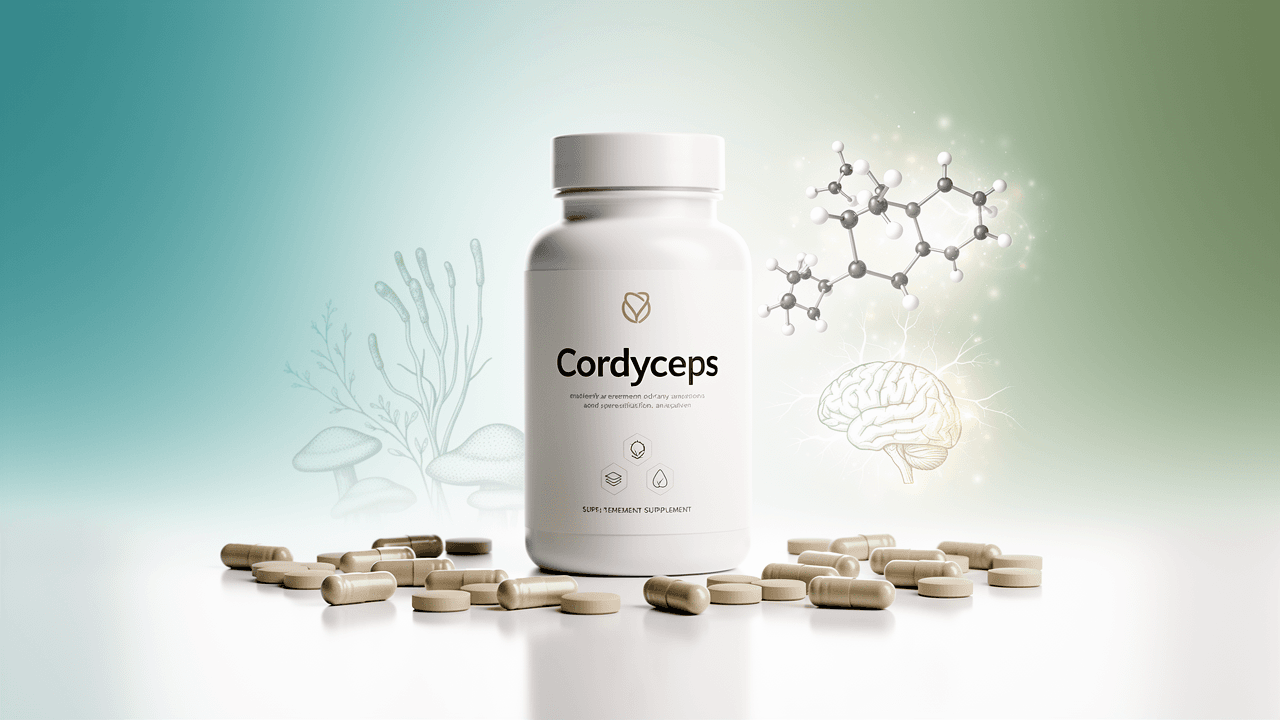
Cordyceps is a genus of parasitic fungi traditionally used in Chinese and Tibetan medicine for fatigue, respiratory health, and longevity. Modern supplements typically use:
- Cordyceps sinensis (Ophiocordyceps sinensis) – the traditional species; wild forms are extremely expensive and often adulterated.
- Cordyceps militaris – cultivated species with higher and more consistent levels of active compounds (especially cordycepin).
- Mycelial biomass / fermented extracts – grown on substrates like rice or liquid culture, then dried and extracted.
Key Active Compounds
Cordyceps contains several bioactive constituents:
- Cordycepin (3’-deoxyadenosine) – nucleoside analog thought to influence energy metabolism, inflammation, and cell signaling.
- Polysaccharides (β-glucans) – immunomodulatory and antioxidant effects.
- Sterols (e.g., ergosterol) – may affect hormone synthesis and cell membranes.
- Adenosine and related nucleotides – involved in energy transfer and vasodilation.
Proposed Mechanisms of Action
While mechanisms are not fully established in humans, preclinical and early clinical work suggests:
Mitochondrial and Energy Effects
- Cordyceps may enhance ATP production and improve mitochondrial efficiency.
- Animal and cell studies show increased activity of AMP-activated protein kinase (AMPK), a key regulator of energy metabolism.
Improved Oxygen Utilization and Blood Flow
- Potential upregulation of endothelial nitric oxide synthase (eNOS), promoting vasodilation and blood flow.
- Some human studies report improved VO₂ max and ventilatory thresholds.
Antioxidant and Anti-inflammatory Actions
- Cordyceps polysaccharides and cordycepin can reduce reactive oxygen species (ROS) and modulate inflammatory pathways (e.g., NF-κB, cytokines) in preclinical models.
Immunomodulation
- β-glucan–rich polysaccharides may enhance innate and adaptive immune responses (e.g., macrophage activity, NK cell function) while also exerting anti-inflammatory effects when overactivation occurs.
Neuroprotective and Nootropic Potential
- Animal and in vitro studies indicate reduced neuroinflammation, protection against glutamate toxicity, and improved synaptic plasticity markers.
- These effects may underlie reported benefits for mental energy, fatigue, and mood, although robust human cognitive trials are limited.
2. Key Benefits of Cordyceps as a Supplement
2.1 Exercise Performance and Endurance
Cordyceps is best known for its potential to support aerobic performance and fatigue resistance:
- May increase VO₂ max, time to exhaustion, and ventilatory thresholds.
- Can subjectively reduce exercise-related fatigue in some populations.
Effects are more consistently seen in older or less-trained individuals than in young, well-trained athletes.
2.2 Anti-Fatigue and Energy Support
Cordyceps is traditionally used as a “qi” (energy) tonic. Modern data suggest:
- Possible improvements in subjective fatigue and energy levels, especially in people with low baseline fitness or mild fatigue.
- Potential support for recovery from exertion and illness, likely via mitochondrial and antioxidant mechanisms.
2.3 Metabolic and Glycemic Support
Preliminary evidence indicates cordyceps may:
- Improve insulin sensitivity and fasting glucose in people with metabolic issues.
- Support lipid profiles (reductions in total cholesterol and triglycerides in some trials).
2.4 Immune and Inflammatory Modulation
Cordyceps polysaccharides can modulate immune responses:
- May enhance host defense while reducing excessive inflammation.
- Shows antioxidant effects that may help protect tissues from oxidative damage.
2.5 Potential Nootropic and Neuroprotective Effects
Human data are limited, but preclinical work suggests:
- Protection against neurodegenerative processes (e.g., models of Parkinson’s and Alzheimer’s disease).
- Reduced neuroinflammation and oxidative stress in the brain.
- Possible support for mood and cognitive function via improved energy metabolism and anti-inflammatory effects.
At present, cordyceps is better supported as an anti-fatigue and performance aid than as a direct cognitive enhancer, though it may indirectly benefit cognition by improving energy and reducing inflammation.
3. Research Findings: What the Studies Show
3.1 Exercise Performance and VO₂ Max
Study 1 – Older Adults, Aerobic Fitness
- Design: Randomized, double-blind, placebo-controlled.
- Participants: 20 healthy older adults (50–75 years).
- Intervention: 3 g/day of a cordyceps-containing mushroom blend (including C. militaris) vs. placebo for 12 weeks.
- Outcomes:
- Significant increase in VO₂ max in the cordyceps group compared with baseline and placebo.
- Improved ventilatory threshold and time to exhaustion on treadmill testing.
- Implication: Cordyceps may meaningfully improve aerobic capacity in older, less-trained individuals.
Study 2 – Young Adults, Short-Term Supplementation
- Design: Randomized, double-blind, placebo-controlled.
- Participants: 20 healthy young adults (~25 years).
- Intervention: 4 g/day of cordyceps CS-4 (mycelial extract) vs. placebo for 6 weeks.
- Outcomes:
- Modest but statistically significant improvement in VO₂ max and ventilatory threshold in the cordyceps group.
- No major change in maximal power output.
- Implication: Cordyceps may enhance aerobic capacity modestly in recreationally active young adults.
Study 3 – Trained Athletes
- Design: Randomized, double-blind, placebo-controlled.
- Participants: 22 trained cyclists.
- Intervention: 4.5 g/day cordyceps CS-4 vs. placebo for 5 weeks.
- Outcomes:
- No significant differences in time trial performance or VO₂ max between groups.
- Implication: In well-trained athletes, cordyceps may have limited or negligible ergogenic effects.
Summary: The performance-enhancing effect of cordyceps is more evident in older or less-trained individuals and less clear in highly trained athletes.
3.2 Anti-Fatigue and Quality of Life
Study – Elderly Subjects with Fatigue
- Design: Randomized, double-blind, placebo-controlled.
- Participants: 130 older adults with self-reported fatigue.
- Intervention: 3 g/day cordyceps CS-4 vs. placebo for 6 weeks.
- Outcomes:
- Significant improvements in fatigue scores, cold intolerance, and dizziness in the cordyceps group.
- Improved sexual desire and subjective well-being in some participants.
- Implication: Cordyceps may reduce fatigue and improve quality of life in older or low-energy individuals.
3.3 Metabolic Health and Blood Glucose
Study – Type 2 Diabetes Patients
- Design: Randomized, controlled clinical trial.
- Participants: 95 adults with type 2 diabetes.
- Intervention: Cordyceps sinensis extract (3 g/day) plus standard care vs. standard care alone for 90 days.
- Outcomes:
- Greater reduction in fasting blood glucose and postprandial glucose in the cordyceps group.
- Modest improvement in HbA1c compared with control.
- Some improvement in lipid profile (lower triglycerides, total cholesterol).
- Implication: Cordyceps may offer adjunctive benefits for glycemic control and lipids in type 2 diabetes, but should not replace standard therapies.
Study – Hyperlipidemia
- Design: Randomized trial.
- Participants: 273 patients with hyperlipidemia.
- Intervention: Cordyceps preparation vs. placebo for 2 months.
- Outcomes:
- Significant reductions in total cholesterol and triglycerides; mild increase in HDL in the cordyceps group.
- Implication: Cordyceps may modestly improve lipid parameters in dyslipidemic individuals.
3.4 Immune and Inflammatory Effects
Human data are more limited, but small trials and mechanistic studies suggest:
- In patients with chronic kidney disease, cordyceps supplementation (e.g., 3–5 g/day) has been associated with improved kidney function markers (e.g., serum creatinine, eGFR) and reduced proteinuria, possibly via anti-inflammatory and antioxidant mechanisms.
- In vitro and animal studies show reduced production of pro-inflammatory cytokines (TNF-α, IL-1β, IL-6) and inhibition of NF-κB activation.
These findings are promising but require larger, well-controlled human trials.
3.5 Neuroprotection and Cognition
Most evidence for brain effects is preclinical:
- In rodent models of Parkinson’s disease, cordyceps extracts reduced dopaminergic neuron loss, improved motor function, and lowered oxidative stress markers in the substantia nigra.
- In models of Alzheimer’s disease, cordyceps compounds reduced amyloid-beta–induced toxicity, improved memory performance in maze tests, and decreased neuroinflammation.
Human trials directly testing cognition, memory, or mood with cordyceps alone are scarce. Any nootropic claims should be considered preliminary and indirect, primarily via improved energy, oxygen utilization, and reduced inflammation.
4. Best Sources & Dosage – Forms, Dosing, Timing, Safety
4.1 Supplement Forms
Fruitbody Extract (C. militaris)
- Made from the actual mushroom fruiting body.
- Often standardized to cordycepin and/or polysaccharides (e.g., 10–40%).
- Typically extracted with hot water or water/alcohol.
Mycelial Biomass (e.g., CS-4)
- Cultivated mycelium grown on substrate (e.g., rice).
- Used in many of the earlier Chinese clinical trials.
- May contain more substrate material and lower concentrations of some actives than fruitbody extracts.
Fermented Liquid Culture Extracts
- Mycelium grown in liquid, then extracted and dried.
- Can be standardized and relatively pure but varies by manufacturer.
Powder vs. Capsules vs. Tinctures
- Capsules/tablets: Convenient, better for standardized dosing.
- Bulk powder: Flexible dosing, can be mixed into smoothies or coffee (taste is earthy/umami).
- Tinctures: Alcohol or dual extracts; quality and standardization vary widely.
4.2 Evidence-Informed Dosage Ranges
These ranges are based on human trials and common clinical practice. Always adjust for individual sensitivity and medical guidance.
General Health & Longevity Support
- Typical range: 500–1,000 mg/day of standardized extract (e.g., 10–40% polysaccharides) or ~1–3 g/day of mycelial biomass.
- Form: C. militaris fruitbody extract or CS-4 mycelial extract.
- Timing: Once daily in the morning with food.
Anti-Fatigue & Energy Support
- Range: 1,000–2,000 mg/day standardized extract, often split into 1–2 doses.
- Timing: Morning and/or early afternoon to avoid potential sleep disruption in sensitive individuals.
- Duration: Many studies use 4–12 weeks; benefits may build over several weeks.
Exercise Performance & Endurance
- Range in studies: 3–4.5 g/day of cordyceps (CS-4 or similar) for 4–12 weeks.
- Practical range: 1,000–3,000 mg/day of a high-quality extract.
- Timing: Daily use is more important than pre-workout timing, but many users take a portion 30–60 minutes before exercise.
Metabolic Support (Adjunct to Medical Care)
- Range used in trials: ~3 g/day of cordyceps extract in divided doses.
- Important: Should be used only as an adjunct, not as a replacement, for diabetes or lipid-lowering medications.
- Monitoring: Regular checks of fasting glucose, HbA1c, and lipids with a healthcare provider.
4.3 Stacking with Other Nootropics or Supplements
Cordyceps is often combined with:
- Other medicinal mushrooms (e.g., lion’s mane, reishi) for immune and brain support.
- Adaptogens (e.g., rhodiola, ashwagandha) for stress resilience and energy.
- Caffeine – many people report smoother, less jittery stimulation when combined, but this is anecdotal.
When stacking, start with lower doses of each component to assess tolerance.
4.4 Safety, Side Effects, and Interactions
Cordyceps is generally well tolerated in clinical studies, but safety data are still limited for long-term, high-dose use.
Common Side Effects (Usually Mild)
- Gastrointestinal: Nausea, dry mouth, diarrhea, or mild stomach discomfort.
- Sleep disturbances: Occasional reports of insomnia or restlessness when taken late in the day.
- Headache or lightheadedness: Uncommon but reported anecdotally.
These effects often improve with dose reduction or taking the supplement with food and earlier in the day.
Potential Drug Interactions
Antidiabetic Medications (Insulin, Metformin, Sulfonylureas, GLP-1 agonists)
- Cordyceps may lower blood glucose modestly.
- Risk: Additive effect could increase risk of hypoglycemia.
- Action: Monitor blood glucose more frequently; discuss with a clinician before use.
Anticoagulants and Antiplatelet Drugs (Warfarin, DOACs, Aspirin, Clopidogrel)
- Some preclinical data suggest cordyceps may affect platelet aggregation and blood flow.
- Risk: Theoretical increased bleeding risk, especially at high doses or with multiple agents.
- Action: Use cautiously; consult a physician, especially if you have a bleeding disorder or are on multiple blood thinners.
Immunosuppressant Drugs (Post-Transplant, Autoimmune Conditions)
- Cordyceps has immunomodulatory properties that might oppose immunosuppressive therapy.
- Risk: Reduced effectiveness of immunosuppressants, risk of transplant rejection or autoimmune flare.
- Action: Generally avoid cordyceps in patients on strong immunosuppressive regimens unless specifically supervised by a specialist.
Stimulants (Caffeine, ADHD Medications)
- Cordyceps may have mild stimulating/activating effects in some people.
- Risk: Additive stimulation, anxiety, or insomnia.
- Action: Start with lower doses; avoid taking cordyceps late in the day if combined with other stimulants.
Special Populations and Contraindications
Pregnancy and Breastfeeding
- Human safety data are insufficient.
- Animal and traditional use do not provide enough assurance.
- Recommendation: Avoid cordyceps during pregnancy and lactation unless under medical supervision.
Autoimmune Diseases (e.g., MS, RA, Lupus)
- Cordyceps modulates immune function; it may theoretically stimulate or dampen aspects of immunity.
- Risk: Potential to worsen autoimmune activity, though data are sparse.
- Recommendation: Use cautiously and only under guidance of a clinician familiar with your condition.
Bleeding Disorders or Upcoming Surgery
- Due to potential effects on platelets and blood flow, cordyceps may increase bleeding risk.
- Recommendation: Discontinue 1–2 weeks before surgery and avoid if you have a known bleeding disorder unless cleared by your physician.
Severe Kidney or Liver Disease
- Some studies use cordyceps in chronic kidney disease patients, but overall safety in advanced organ failure is not well established.
- Recommendation: Only use under specialist supervision; dose adjustments may be needed.
Children and Adolescents
- Very limited pediatric data.
- Recommendation: Avoid routine use in children unless specifically recommended by a pediatric practitioner.
4.5 Who Might Benefit from Cordyceps?
Cordyceps may be most appropriate for:
- Adults with low energy or mild fatigue, especially older adults without major comorbidities.
- Recreationally active individuals seeking modest improvements in aerobic performance and recovery.
- People with metabolic risk factors (e.g., prediabetes, dyslipidemia) using it as an adjunct to lifestyle changes and medical care.
- Those interested in general health and longevity support via potential mitochondrial and antioxidant effects.
4.6 Who Should Probably Avoid or Use Only with Medical Supervision?
- Pregnant or breastfeeding individuals.
- Patients on immunosuppressive therapy, especially post-transplant.
- People with autoimmune diseases not well controlled.
- Those on multiple anticoagulants/antiplatelet drugs or with bleeding disorders.
- Individuals with poorly controlled diabetes or frequent hypoglycemia.
- People with severe kidney or liver disease.
5. Practical Use Summary
- Start low: Begin with 500–1,000 mg/day of a standardized cordyceps extract.
- Titrate slowly: If well tolerated, increase to 1,000–2,000 mg/day for anti-fatigue and performance, or up to 3,000 mg/day short term under guidance.
- Take earlier in the day: To reduce the risk of insomnia or restlessness.
- Cycle use: Many practitioners recommend 8–12 weeks on, 2–4 weeks off, especially at higher doses, though evidence for cycling is largely empirical.
- Monitor: Track energy, exercise performance, sleep, and any side effects; if you have metabolic or cardiovascular conditions, monitor relevant labs with your clinician.
Cordyceps shows promising benefits for energy, endurance, and metabolic health, but evidence for direct nootropic effects is still emerging. It is best viewed as an adaptogenic, performance-supportive mushroom rather than a classic cognitive enhancer, and it should be integrated thoughtfully into an overall health plan that includes sleep, nutrition, and exercise.