Understanding Chlorella
Chlorella is a unicellular freshwater green algae, among the oldest forms of plant life on Earth. Its name derives from its exceptionally high chlorophyll content, which contributes to its deep green color. Unlike spirulina, which belongs to the cyanobacteria group, chlorella is a true alga and has a fibrous cell wall that requires mechanical “cracking” to make its nutrients bioavailable.
Nutritionally, chlorella is a dense source of plant-based protein, providing all nine essential amino acids. It also contains vitamins such as vitamin C, vitamin B12 (in certain forms), and folate, along with minerals including iron, magnesium, and zinc. In addition, chlorella offers omega-3 fatty acids, carotenoids, and polysaccharides that contribute to its bioactivity.
Chlorella is not considered an essential nutrient, but functions as a functional food—a nutrient-rich supplement with biological activity beyond basic nutrition. Because of its unique combination of macronutrients, antioxidants, and bioactive compounds, chlorella has been investigated for its potential to support detoxification, immune activity, and metabolic health.
Key Benefits
- Supports detoxification – Chlorella binds to heavy metals and toxins, promoting their natural elimination from the body.
- Enhances immune response – Supplementation improves immune cell activity and defenses against everyday stressors.
- Promotes metabolic health – Studies document favorable effects on cholesterol, blood glucose, and oxidative stress.
Research Findings
Chlorella has been studied in a variety of human populations, including healthy adults, individuals exposed to heavy metals, and those with metabolic disorders. Findings highlight consistent benefits across multiple health areas.
Detoxification – In a 16-week study (n=32) involving workers exposed to heavy metals, chlorella supplementation reduced blood levels of mercury and lead. The effect was attributed to chlorella’s ability to bind metals in the gut, limiting absorption and promoting elimination.
Immune Support – In an 8-week randomized controlled trial (n=51) of healthy adults, chlorella supplementation increased natural killer cell activity and enhanced markers of immune defense compared with placebo. Participants also reported fewer minor respiratory complaints during the study period.
Metabolic Health – In a 12-week RCT (n=63) of adults with dyslipidemia, chlorella intake lowered total cholesterol, triglycerides, and fasting blood glucose compared with control. These findings suggest benefits for lipid balance and glycemic control.
Oxidative Stress and Antioxidant Status – A 6-week trial (n=44) found that chlorella supplementation increased blood antioxidant capacity and lowered markers of oxidative stress in cigarette smokers, a population under high oxidative burden.
Collectively, these studies support chlorella’s role in promoting detoxification, strengthening immune defenses, and improving markers of metabolic and oxidative health.
Best Sources & Dosage
Chlorella is available in multiple forms, with digestibility and nutrient absorption depending on processing.
Forms:
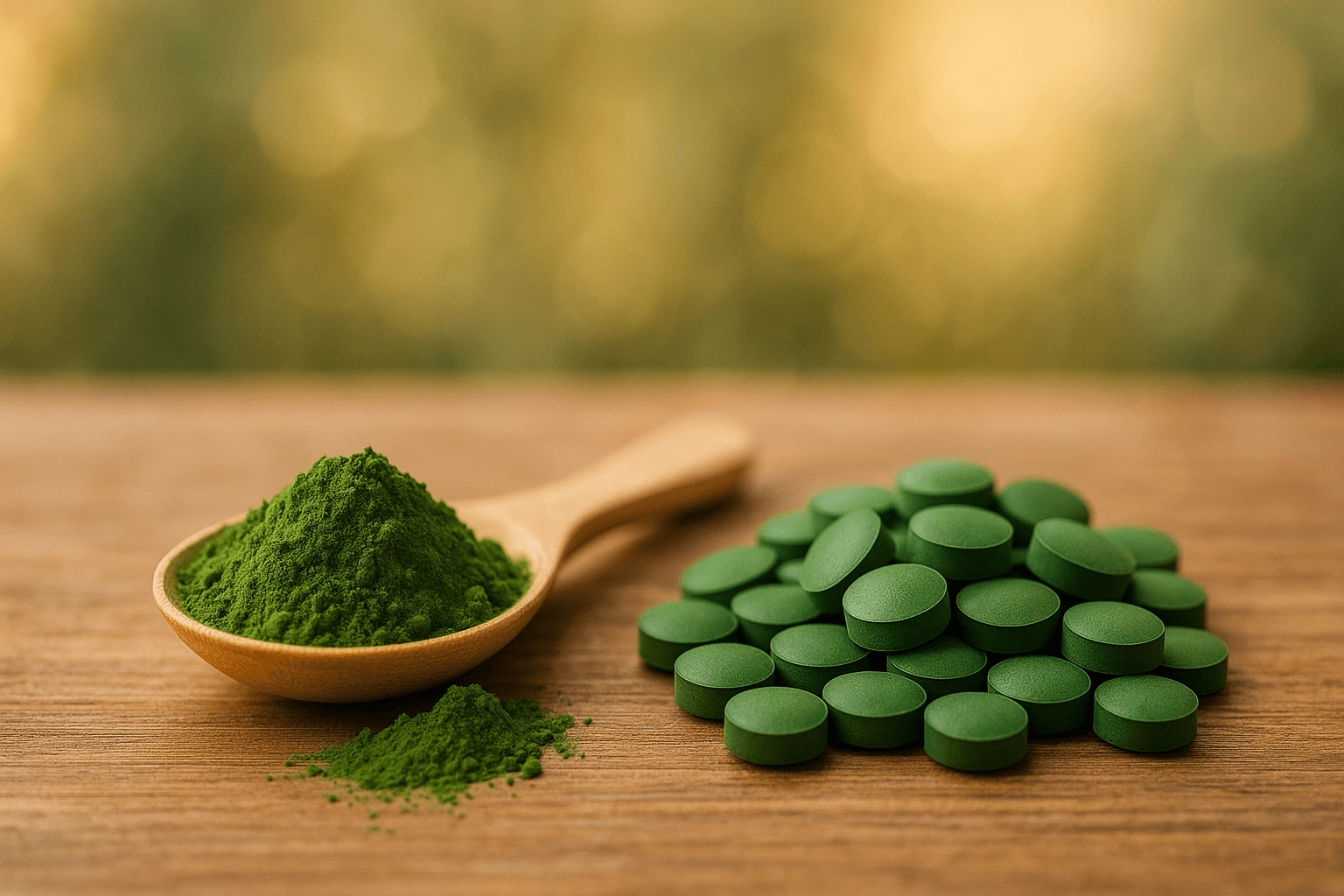
- Powder – versatile, added to smoothies, juices, or food.
- Tablets and capsules – convenient, standardized dosing.
- Cracked-cell wall chlorella – the preferred form, as the tough outer wall is broken down to release nutrients.
Dosage:
Human studies typically use 2–6 grams per day of chlorella powder or tablets, divided into two or three doses. Some clinical trials have tested up to 10 grams daily without major adverse effects.Timing:
Chlorella is commonly taken with meals, which enhances nutrient absorption and helps reduce mild digestive discomfort.Safety:
Chlorella is generally safe for healthy adults when consumed in studied amounts. The most common side effects are mild digestive issues such as gas or bloating, especially when starting supplementation. Individuals with autoimmune conditions, those taking blood thinners, or people with seafood/iodine sensitivities should consult a healthcare provider before use.
Traditional and Cultural Context
Chlorella does not have the same long cultural history as herbs or roots like turmeric or maca. Instead, it entered the public health and nutrition landscape in the mid-20th century. After World War II, researchers explored chlorella as a potential sustainable protein source to address global malnutrition. Although it did not become a staple food, its nutrient density and detox-supporting properties attracted attention in Japan, where it remains a widely used supplement.
Scientific Gaps and Future Directions
Although chlorella’s nutrient profile is well-established, research continues to refine its specific health roles. Areas of ongoing study include:
- Gut microbiome – Preliminary findings suggest chlorella may positively influence gut bacteria, supporting digestion and immune regulation.
- Blood pressure regulation – Early trials indicate possible reductions in blood pressure, but larger, long-term studies are needed.
- Sports performance – Given its antioxidant and metabolic effects, chlorella is being tested for endurance and recovery in athletes, though evidence is still limited.
Future research will help clarify which populations benefit most from chlorella supplementation and whether certain strains or preparations offer unique advantages.