1. Understanding Black Seed Oil – What It Is and How It Works
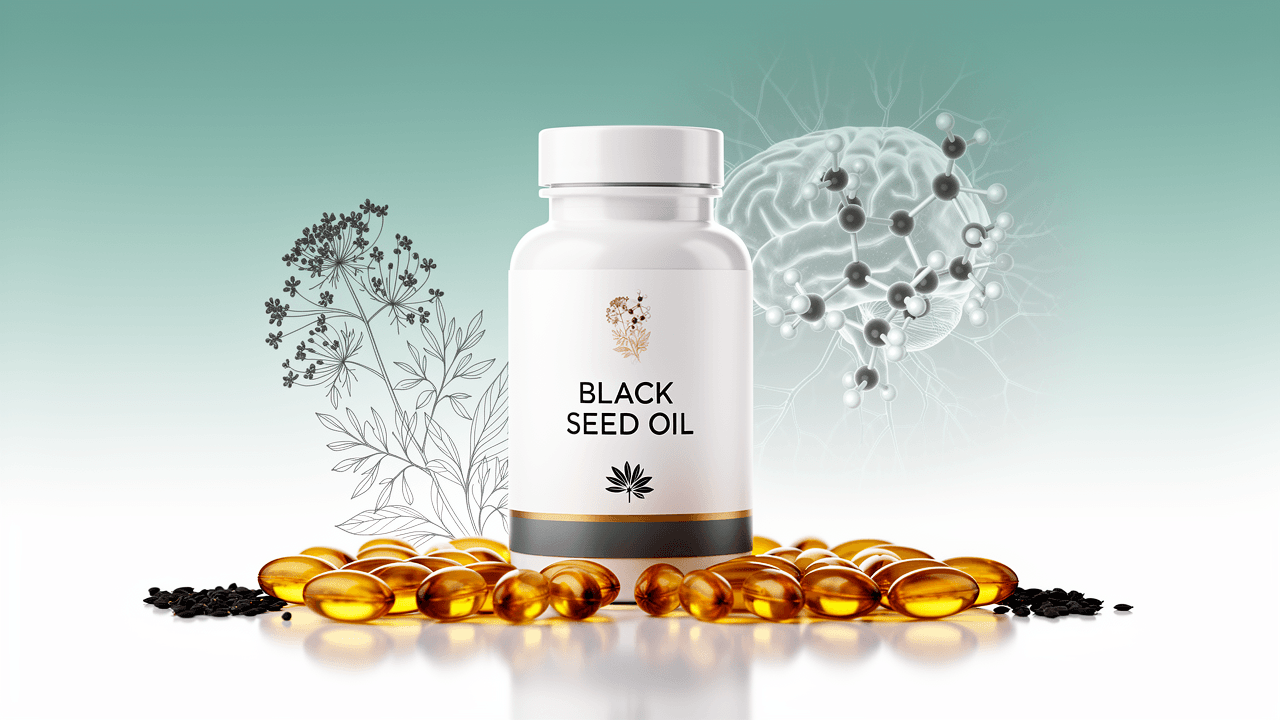
Black seed oil is an extract from the seeds of Nigella sativa, a flowering plant traditionally used in Middle Eastern, South Asian, and North African medicine. It is sometimes called black cumin seed oil (not to be confused with culinary cumin, Cuminum cyminum).
The oil is rich in:
- Thymoquinone (TQ) – its most studied active compound
- Other quinones (e.g., thymohydroquinone)
- Fixed oils (omega-6 and omega-9 fatty acids)
- Volatile oils and various antioxidants
How Black Seed Oil Works in the Body
Current evidence suggests several primary mechanisms:
Antioxidant and anti-inflammatory effects
- Thymoquinone scavenges free radicals and upregulates endogenous antioxidant enzymes (e.g., glutathione, superoxide dismutase, catalase).
- It may inhibit pro‑inflammatory pathways such as NF‑κB and reduce inflammatory cytokines (e.g., TNF‑α, IL‑1β, IL‑6).
Metabolic modulation (glucose and lipids)
- Human trials show improvements in fasting blood glucose, HbA1c, and lipid profile, suggesting enhanced insulin sensitivity and reduced hepatic cholesterol synthesis or absorption.
- Animal and in vitro studies indicate possible effects on AMPK activation and modulation of peroxisome proliferator-activated receptors (PPARs), which regulate fat and glucose metabolism.
Immunomodulatory and antimicrobial activity
- Extracts of Nigella sativa show antibacterial, antifungal, antiviral, and antiparasitic activity in vitro.
- It may modulate T-cell and B-cell responses and influence cytokine balance, contributing to potential benefits in allergies and some inflammatory conditions.
Neuroprotective and nootropic potential
- Thymoquinone crosses the blood–brain barrier in animal models.
- It may reduce neuroinflammation, oxidative stress, and excitotoxicity, and modulate GABAergic and cholinergic systems, which could support cognition, mood, and sleep.
While these mechanisms are biologically plausible and partly supported by early human data, many findings still come from animal and cell studies. Human trials are promising but relatively small and short-term.
2. Key Benefits of Black Seed Oil
2.1 Metabolic Health: Blood Sugar and Cholesterol
Several human trials suggest black seed oil can support:
- Lower fasting blood glucose and HbA1c in people with type 2 diabetes
- Improved lipid profile (lower total and LDL cholesterol, triglycerides; modest HDL increase)
These effects appear at daily doses of ~1–3 g of black seed or 500–2000 mg of black seed oil over 8–12 weeks.
2.2 Anti-Inflammatory and Antioxidant Support
Black seed oil may help lower systemic inflammation and oxidative stress, which are linked to cardiovascular disease, metabolic syndrome, and neurodegeneration.
Markers reported to improve in trials include:
- C-reactive protein (CRP)
- Malondialdehyde (MDA, a lipid peroxidation marker)
- Antioxidant enzymes (e.g., SOD, glutathione)
2.3 Cardiovascular Support (Blood Pressure & Lipids)
Some studies report modest reductions in:
- Systolic and diastolic blood pressure in mild hypertension
- Total cholesterol, LDL cholesterol, and triglycerides
These changes are generally small to moderate but may be clinically relevant when combined with diet and lifestyle interventions.
2.4 Cognitive and Mood Support (Nootropic Potential)
Evidence is preliminary but suggests that black seed oil may:
- Improve attention and memory in healthy adults
- Reduce anxiety and mild depressive symptoms
These effects are likely mediated by antioxidant, anti-inflammatory, and GABAergic/cholinergic modulation.
2.5 Respiratory and Allergy Support
Traditional use and early trials suggest potential benefits in:
- Allergic rhinitis (hay fever) – reduced nasal symptoms
- Asthma – improved symptoms and lung function when used as an adjunct
These effects may derive from anti-inflammatory and bronchodilatory actions, though more robust trials are needed.
3. Research Findings – What Studies Show
Below are key human studies and systematic reviews, with emphasis on design, sample size, and outcomes.
3.1 Blood Sugar and Type 2 Diabetes
Study 1 – Type 2 Diabetes (Capsule Form)
- Design: Randomized, double-blind, placebo-controlled
- Sample: 94 adults with type 2 diabetes
- Intervention: 2 g/day Nigella sativa seed powder (not oil) vs placebo for 12 weeks
- Findings: Significant reductions in fasting blood glucose, 2-hour postprandial glucose, and HbA1c compared with placebo; improved insulin resistance indices.
- Notes: Used seed powder; oil may have somewhat different potency but similar direction of effect.
Study 2 – Metabolic Syndrome / Dyslipidemia
- Design: Randomized controlled trial
- Sample: 70 subjects with metabolic syndrome
- Intervention: 2.5 mL black seed oil twice daily (≈5 mL/day) vs placebo for 8 weeks
- Findings: Significant reductions in fasting blood glucose, total cholesterol, LDL, and triglycerides; modest HDL increase.
3.2 Lipids and Cardiovascular Markers
Systematic Review & Meta-analysis (Lipids and Glucose)
- Scope: Pooled data from randomized controlled trials of Nigella sativa (seed and oil) in adults with metabolic disorders.
- Findings:
- Significant reductions in total cholesterol (~15–20 mg/dL) and LDL
- Reduced fasting blood glucose and HbA1c
- Triglycerides decreased; HDL modestly increased in some trials
- Limitations: Heterogeneity in dose, form (seed vs oil), and study quality; most trials 8–12 weeks; long‑term outcomes unknown.
Study 3 – Mild Hypertension
- Design: Randomized, double-blind, placebo-controlled
- Sample: 70 patients with mild hypertension
- Intervention: 200 mg or 400 mg/day black seed extract vs placebo for 8 weeks
- Findings:
- 400 mg/day group showed significant reductions in systolic and diastolic blood pressure vs placebo.
- 200 mg/day group showed smaller, often non-significant changes.
- Notes: Suggests a dose–response effect.
3.3 Inflammation and Oxidative Stress
Study 4 – Rheumatoid Arthritis (Adjunct Therapy)
- Design: Randomized, double-blind, placebo-controlled
- Sample: 40 women with rheumatoid arthritis
- Intervention: 500 mg black seed oil capsules twice daily (1 g/day) vs placebo for 8 weeks
- Findings:
- Decreased disease activity score (DAS-28), tender and swollen joint counts.
- Reduced high-sensitivity CRP and improved some inflammatory markers.
- Limitations: Small sample size, short duration; used as adjunct to standard therapy.
Study 5 – Oxidative Stress in Metabolic Conditions
Multiple small RCTs in patients with metabolic syndrome, diabetes, or obesity report:
- Reduced MDA (marker of lipid peroxidation)
- Increased antioxidant enzyme activity (SOD, GPx, catalase)
- Improved total antioxidant capacity
Doses typically ranged from 500 mg to 2 g/day of oil or seed extract for 8–12 weeks.
3.4 Cognitive and Mood Effects
Study 6 – Memory and Attention in Healthy Adults
- Design: Randomized, double-blind, placebo-controlled
- Sample: 40 healthy volunteers aged 18–25
- Intervention: 500 mg Nigella sativa capsule twice daily (1 g/day) vs placebo for 9 weeks
- Findings:
- Improved scores in measures of attention, memory, and cognition vs placebo.
- Reduced self-reported anxiety and mild depressive symptoms.
- Limitations: Small, young sample; short-term; not oil-specific but whole seed extract.
3.5 Respiratory and Allergy Support
Study 7 – Allergic Rhinitis
- Design: Randomized, placebo-controlled
- Sample: 66 patients with allergic rhinitis
- Intervention: 500 mg black seed oil capsules twice daily (1 g/day) vs placebo for 30 days
- Findings:
- Significant improvement in nasal congestion, sneezing, itching, and runny nose.
- Some patients reduced use of conventional antihistamines.
- Limitations: Short duration; no long-term follow-up.
Study 8 – Asthma (Adjunct Therapy)
- Design: Double-blind, placebo-controlled
- Sample: ~80 adults with partly controlled asthma
- Intervention: 500 mg black seed oil twice daily (1 g/day) vs placebo for 4 weeks, added to standard inhaler therapy
- Findings:
- Improved asthma control test (ACT) scores and some lung function parameters (FEV1).
- Reduced frequency of daytime and nighttime symptoms compared with placebo.
- Notes: Used as an adjunct, not a replacement for standard asthma treatment.
3.6 Weight Management
Study 9 – Obesity and Appetite
- Design: Randomized, double-blind, placebo-controlled
- Sample: 90 obese women
- Intervention: Low-calorie diet plus 3 g/day Nigella sativa seed oil vs diet plus placebo for 8 weeks
- Findings:
- Greater reductions in weight, waist circumference, and appetite scores in the black seed oil group.
- Improved triglycerides and LDL cholesterol.
- Limitations: Combined with calorie restriction; difficult to separate independent effect size of the oil.
4. Best Sources & Dosage – Forms, Dosing, Timing, Safety
4.1 Forms of Black Seed Oil
Cold-Pressed Oil (Liquid)
- Typically standardized by volume (e.g., 1 teaspoon ≈ 4–5 mL).
- Can be taken directly or mixed into food.
- Has a strong, peppery/bitter taste.
Softgel Capsules
- Common doses: 250–500 mg per capsule.
- More convenient and better tolerated taste-wise.
- Sometimes standardized to thymoquinone content (e.g., 5% TQ).
Whole Seed or Powder
- Used in traditional medicine and cooking.
- May contain fiber and other components not present in the oil.
- Doses in studies often 1–3 g/day.
For nootropic or general health purposes, softgels and liquid oil are the most common supplemental forms.
4.2 Evidence-Informed Dosage Guidelines
Important: These are general ranges from human studies, not medical prescriptions. Always consult a healthcare professional, especially if you have chronic conditions or take medication.
General Health & Antioxidant Support
- Typical dose: 500–1000 mg/day of black seed oil (or 1–2 g/day of seed) with food.
- Duration: Commonly studied for 8–12 weeks; long-term safety data are more limited.
Metabolic Health (Blood Sugar, Lipids)
- Dose range: 1000–2000 mg/day of black seed oil, divided into 1–2 doses with meals.
- Study examples:
- 2.5 mL oil twice daily (≈5 mL/day) improved lipids and glucose over 8 weeks.
- Seed doses of 2 g/day improved glycemic control in type 2 diabetes.
- Use: As an adjunct to diet, exercise, and prescribed medications—not a replacement.
Blood Pressure Support (Mild Hypertension)
- Dose range: 200–400 mg/day of standardized black seed extract.
- Evidence: 400 mg/day showed modest reductions in systolic and diastolic blood pressure over 8 weeks.
- Note: Not a substitute for antihypertensive medication; monitor blood pressure regularly.
Cognitive & Mood Support (Nootropic Use)
- Dose range: 500–1000 mg/day of black seed oil or seed extract.
- Evidence: 1 g/day of Nigella sativa for 9 weeks improved attention, memory, and reduced anxiety in young adults.
- Timing: Often taken with breakfast; some people split doses morning and evening.
Allergy and Respiratory Support
- Allergic rhinitis: 500–1000 mg/day of black seed oil, often split into two doses.
- Asthma (adjunct): 500 mg twice daily (1 g/day) in studies.
- Note: Must be used alongside, not instead of, prescribed inhalers or allergy medications.
Weight Management (Adjunct to Diet)
- Dose range: 1–3 g/day of black seed oil, often in divided doses with meals.
- Evidence: 3 g/day with a calorie-restricted diet improved weight loss and metabolic markers over 8 weeks.
4.3 Timing and Administration Tips
- With food: Taking black seed oil with meals can improve absorption and reduce gastrointestinal discomfort.
- Start low: Begin at 250–500 mg/day and gradually increase over 1–2 weeks to assess tolerance.
- Consistency: Most benefits in studies appear after 4–12 weeks of consistent use.
4.4 Safety, Side Effects, and Drug Interactions
Common Side Effects
At typical supplemental doses (≤2 g/day oil), black seed oil is generally well tolerated. Reported side effects include:
- Mild gastrointestinal upset (nausea, stomach discomfort, diarrhea)
- Heartburn or reflux (more common with liquid oil)
- Headache in some individuals
Taking with food and starting at a lower dose often reduces these issues.
Less Common / High-Dose Concerns
- Liver and kidney function: Animal studies show potential liver and kidney toxicity at very high doses. Human trials at standard doses have not consistently shown liver or kidney damage, but monitoring is advisable in people with preexisting disease.
- Hypotension and hypoglycemia: Because of potential blood pressure– and blood sugar–lowering effects, there is a theoretical risk of additive effects with medications.
Drug Interactions (Potential)
Current human data on drug interactions are limited, but based on mechanisms and preliminary findings, consider the following:
Antidiabetic medications (metformin, sulfonylureas, insulin, GLP‑1 agonists)
- Black seed oil may further lower blood glucose.
- Risk: Hypoglycemia if medication doses are not adjusted.
- Recommendation: Monitor blood glucose more frequently; discuss with a clinician before starting.
Antihypertensive drugs (ACE inhibitors, ARBs, beta-blockers, diuretics, calcium channel blockers)
- Black seed oil may modestly lower blood pressure.
- Risk: Additive hypotensive effect, dizziness, fainting.
- Recommendation: Monitor blood pressure; start with lower doses; consult your prescriber.
Anticoagulants / Antiplatelets (warfarin, clopidogrel, aspirin, DOACs)
- Limited data; some in vitro evidence suggests possible antiplatelet effects.
- Risk: Theoretical increased bleeding risk, especially at higher doses.
- Recommendation: Use cautiously; avoid high doses; consult a healthcare professional.
CYP450-metabolized drugs
- Preliminary in vitro data suggest Nigella sativa components may modulate liver enzymes (e.g., CYP3A4, CYP2D6), but clinical significance is not well established.
- Recommendation: If you take narrow-therapeutic-index drugs (e.g., certain antiarrhythmics, immunosuppressants, antiepileptics), discuss use with your physician.
Special Populations
Pregnancy
- Traditional texts sometimes caution against high doses in pregnancy.
- Animal data at high doses show potential uterine effects; robust human safety data are lacking.
- Recommendation: Avoid black seed oil supplements during pregnancy unless clearly recommended and supervised by a clinician. Culinary use of small amounts of seed is generally considered acceptable.
Breastfeeding
- Safety data are insufficient.
- Recommendation: Avoid supplemental doses (oil or capsules) while breastfeeding, unless advised by a healthcare provider; small culinary amounts of seed are usually acceptable.
Children and Adolescents
- Limited pediatric data; some small trials used black seed in asthma and allergy in children.
- Recommendation: Do not supplement children without pediatric guidance; dosing and safety thresholds are not well established.
Liver or Kidney Disease
- Because these organs metabolize and excrete many plant compounds, caution is warranted.
- Recommendation: Avoid self-supplementation; if used, do so only under medical supervision with periodic liver and kidney function tests.
Autoimmune Conditions
- Black seed oil has immunomodulatory (not purely stimulating or suppressive) properties.
- Recommendation: People with autoimmune disease (e.g., lupus, MS, rheumatoid arthritis) should consult their specialist before use, especially if on immunosuppressant medications.
4.5 Quality and Product Selection
To maximize safety and efficacy:
- Choose cold-pressed oil from reputable brands with third-party testing (e.g., for purity, heavy metals, oxidation).
- Dark glass bottles help protect against light-induced oxidation; store in a cool, dark place.
- Check for standardization to thymoquinone content when possible (e.g., 3–5% TQ).
- Avoid rancid oil: Discard if the smell is unusually harsh, paint-like, or sour.
5. Who Should and Shouldn’t Use Black Seed Oil
5.1 Who Might Consider Black Seed Oil
Under medical guidance, black seed oil may be considered by:
Adults with metabolic concerns
- Mild dyslipidemia, metabolic syndrome, or type 2 diabetes seeking adjunctive support.
- Must continue prescribed medications and lifestyle interventions.
Individuals with mild hypertension
- As a complementary approach to diet, exercise, and medication when needed.
- Regular blood pressure monitoring is essential.
People seeking general anti-inflammatory and antioxidant support
- Especially those with high oxidative stress risk (e.g., obesity, smoking, poor diet), alongside lifestyle improvements.
Healthy adults interested in cognitive or mood support
- Particularly for mild issues with attention, stress, or memory.
- Should not replace evidence-based treatment for major depression, anxiety disorders, or neurodegenerative disease.
Adults with seasonal allergies or mild asthma
- As an adjunct to, not a replacement for, standard therapy.
- Monitor symptoms and lung function; always keep rescue medications as prescribed.
5.2 Who Should Avoid or Use With Extra Caution
Pregnant or breastfeeding individuals
- Lack of robust safety data at supplemental doses.
- Avoid unless specifically recommended by a healthcare provider.
People on multiple medications
- Especially those on antidiabetics, antihypertensives, anticoagulants, or narrow-therapeutic-index drugs.
- Require medical oversight and possible dose adjustments.
Individuals with liver or kidney disease
- Potential for altered metabolism and clearance.
- Use only under specialist supervision, if at all.
People with known allergies to Nigella sativa
- Rare but possible; may present as skin rash, itching, or respiratory symptoms.
- Discontinue immediately and seek medical care if allergic symptoms occur.
Children and adolescents
- Limited safety and dosing data.
- Avoid routine supplementation unless under pediatric care.
Individuals with poorly controlled chronic disease
- Uncontrolled diabetes, severe hypertension, advanced heart or kidney failure, active cancer, or severe psychiatric illness should not self-prescribe black seed oil.
- Any supplement use should be coordinated with their healthcare team.
6. Balanced Perspective: Benefits and Limitations
Strengths of the evidence:
- Multiple small to medium-sized RCTs show consistent trends toward improved blood sugar, lipids, inflammatory markers, and some symptom relief in allergies and asthma.
- Mechanistic data (antioxidant, anti-inflammatory, metabolic modulation) support these findings.
Limitations:
- Many studies have small sample sizes (often <100 participants) and short durations (4–12 weeks).
- Variability in preparations (seed vs oil, extract concentration, TQ content) complicates dosing guidance.
- Long-term safety and efficacy data, especially at higher doses, are limited.
- Nootropic and mood effects are promising but based on relatively few small trials.
Practical takeaway:
- Black seed oil is a promising adjunct for metabolic health, inflammation, and possibly cognition and mood, but it is not a stand-alone treatment.
- It should be integrated into a broader plan that includes diet, physical activity, sleep, and appropriate medical care.
As with any supplement, individual responses vary. Monitoring how you feel, tracking objective markers (e.g., blood pressure, blood tests), and working with a qualified healthcare professional are key to using black seed oil safely and effectively.